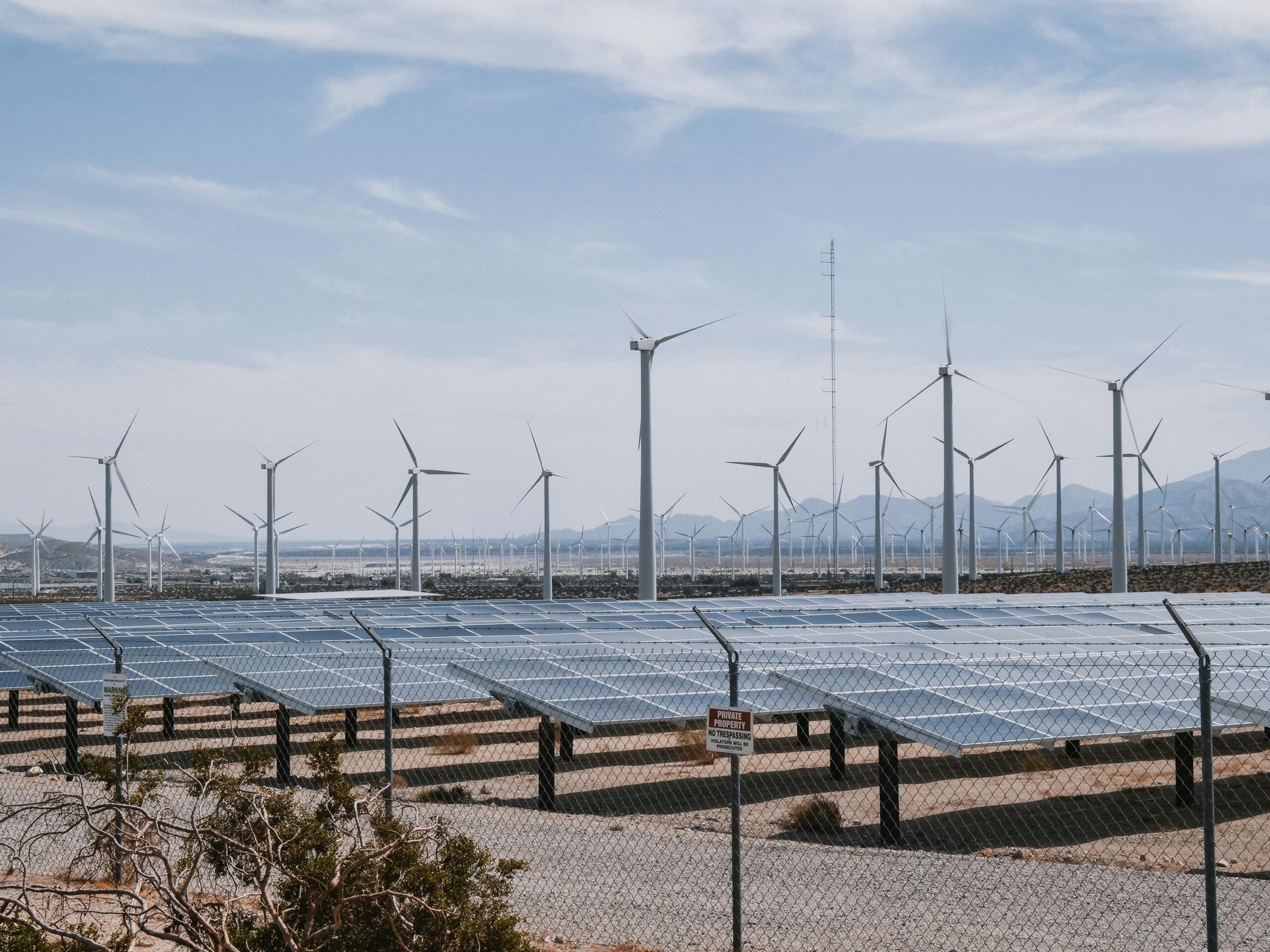
Climate economics is transforming how governments and organizations approach environmental policy. By integrating robust data analysis with economic modeling, we can design sustainable interventions that balance environmental protection with economic growth.

The intersection of climate science and economics has never been more critical. As nations worldwide grapple with the escalating costs of climate change—from devastating wildfires to catastrophic floods—the need for evidence-based policy frameworks becomes increasingly urgent. Traditional approaches to environmental regulation often lacked the sophisticated analytical tools necessary to quantify long-term impacts and cost-benefit ratios accurately.
🌍 The Foundation of Climate Economics
Climate economics represents a specialized field that examines the financial implications of climate change and evaluates the economic efficiency of various mitigation and adaptation strategies. This discipline combines environmental science, economic theory, and statistical analysis to provide policymakers with actionable insights.
The core premise is straightforward: climate change imposes real costs on society, and addressing these costs requires investment. However, determining the optimal allocation of resources demands sophisticated modeling that accounts for uncertainty, time horizons, and distributional effects across different populations and regions.
Modern climate economics has evolved from simple cost-benefit analyses to comprehensive frameworks that incorporate dynamic systems modeling, behavioral economics, and advanced data analytics. These tools enable researchers to simulate various policy scenarios and predict their outcomes with increasing accuracy.
Understanding the True Cost of Inaction
Research consistently demonstrates that the economic costs of climate inaction far exceed the investments required for mitigation. The Stern Review, one of the most comprehensive economic analyses of climate change, concluded that unmitigated climate change could reduce global GDP by 5-20% annually, while stabilization efforts would cost approximately 1% of global GDP.
These calculations have been refined over time as data collection methods improve and our understanding of climate feedback mechanisms deepens. Recent studies incorporating tipping point risks and cascade effects suggest that previous estimates may have been conservative, making the economic case for action even more compelling.
📊 Data-Driven Policy Design: A New Paradigm
The digital revolution has fundamentally transformed our capacity to design effective climate policies. Satellite imagery, IoT sensors, machine learning algorithms, and big data analytics now provide unprecedented insights into emissions patterns, energy consumption, and environmental impacts.
Data-driven policy design moves beyond ideological debates to focus on measurable outcomes. By establishing clear metrics and continuously monitoring results, governments can implement adaptive management strategies that respond to real-world performance rather than theoretical assumptions.
Key Data Sources Powering Climate Policy
Several technological advancements have made comprehensive climate data collection possible:
- Remote sensing satellites that monitor deforestation, ice sheet melting, and atmospheric composition in real-time
- Smart grid systems that track energy consumption patterns at granular levels
- Vehicle telematics and transportation networks that provide emissions data from mobile sources
- Weather stations and climate monitoring systems that document changing environmental conditions
- Industrial monitoring equipment that reports emissions from manufacturing facilities
- Blockchain-based carbon tracking systems that ensure transparency in offset markets
The integration of these diverse data streams creates comprehensive environmental accounting systems. These platforms enable policymakers to identify emission hotspots, track progress toward reduction targets, and allocate resources where they will generate maximum impact.
💡 Economic Instruments for Climate Action
Climate economics has identified several policy instruments that leverage market mechanisms to achieve environmental objectives efficiently. These tools create economic incentives that align private interests with public environmental goals.
Carbon Pricing Mechanisms
Carbon pricing—whether through taxes or cap-and-trade systems—represents the most economically efficient approach to reducing greenhouse gas emissions. By placing a price on carbon, these mechanisms internalize the external costs of pollution and create market incentives for emission reduction.
Data analytics plays a crucial role in optimizing carbon pricing systems. Historical emissions data helps establish appropriate baselines, while economic modeling determines price levels that balance environmental effectiveness with economic impacts. Real-time monitoring ensures compliance and identifies opportunities for system improvements.
Countries and regions implementing carbon pricing have demonstrated measurable results. British Columbia’s carbon tax reduced per capita emissions by 5-15% while maintaining economic growth. The European Union’s Emissions Trading System, despite early challenges, has contributed to significant emission reductions across member states.
Subsidy Reform and Green Finance
Eliminating fossil fuel subsidies represents another critical economic lever. Globally, governments spend over $400 billion annually subsidizing fossil fuel consumption—a policy that contradicts climate objectives and distorts energy markets.
Data-driven analysis helps identify these subsidies and quantify their environmental and economic impacts. By redirecting these funds toward renewable energy development, energy efficiency programs, and climate adaptation measures, governments can accelerate the transition to sustainable energy systems without increasing overall expenditure.
🔬 Advanced Modeling Techniques
Contemporary climate economics employs sophisticated modeling frameworks that integrate multiple disciplines and data sources. Integrated Assessment Models (IAMs) combine climate science, economic projections, and policy analysis to evaluate long-term scenarios.
These models have evolved significantly over recent decades. Early versions used simplified representations of both climate systems and economic behavior. Modern IAMs incorporate detailed sectoral analyses, regional variations, technological change dynamics, and behavioral responses to policy interventions.
Machine Learning in Climate Economics
Artificial intelligence and machine learning are revolutionizing climate economic analysis. These technologies can identify patterns in massive datasets that would be impossible for human analysts to detect, improving prediction accuracy and policy optimization.
Machine learning algorithms can forecast energy demand patterns, predict the adoption rates of clean technologies, and identify the most cost-effective intervention strategies for specific contexts. Neural networks trained on historical climate and economic data can project future scenarios with confidence intervals that help policymakers understand uncertainty ranges.
Natural language processing enables researchers to analyze policy documents, corporate sustainability reports, and public sentiment data at scale, providing insights into implementation challenges and social acceptance factors that influence policy success.
🏛️ Policy Implementation Frameworks
Translating economic analysis into effective policy requires careful attention to institutional capacity, political feasibility, and social equity considerations. Data-driven approaches must be complemented by stakeholder engagement and adaptive governance structures.
Building Monitoring and Evaluation Systems
Robust monitoring and evaluation (M&E) systems are essential for data-driven climate policy. These frameworks establish clear indicators, collection methodologies, and reporting protocols that enable continuous assessment of policy performance.
Effective M&E systems operate at multiple scales—from individual projects to national policy programs. They track not only environmental outcomes like emission reductions but also economic impacts, employment effects, and distributional consequences across different population groups.
Digital platforms have made comprehensive M&E systems more feasible. Cloud-based data repositories, automated reporting tools, and visualization dashboards provide policymakers and stakeholders with accessible, real-time information about policy performance.
Ensuring Equity in Climate Policies
Climate economics increasingly recognizes that policy design must address equity concerns. Carbon pricing, for example, can disproportionately impact low-income households who spend larger shares of their budgets on energy and transportation.
Data analysis helps identify these distributional effects and design compensatory mechanisms. Revenue recycling schemes can return carbon pricing revenues to affected populations through tax credits, direct payments, or investments in public services. Detailed household expenditure data enables precise targeting of these compensatory measures.
Geographic information systems (GIS) and demographic data help identify communities most vulnerable to both climate impacts and policy costs, ensuring that adaptation funding and transition support reach those who need it most.
🌱 Sector-Specific Applications
Climate economic principles apply across all sectors of the economy, though implementation strategies vary based on sectoral characteristics and available data.
Energy Sector Transformation
The energy sector represents the largest source of greenhouse gas emissions and therefore the primary focus of climate policy. Data-driven approaches have accelerated the renewable energy transition by identifying optimal locations for wind and solar installations, forecasting grid integration challenges, and designing market mechanisms that value flexibility and storage.
Smart meter data provides unprecedented insights into electricity consumption patterns, enabling demand response programs and time-of-use pricing that reduces peak loads and facilitates renewable integration. Predictive analytics help utilities anticipate maintenance needs and optimize system operations.
Transportation and Urban Planning
Transportation emissions require comprehensive strategies combining technological innovation, infrastructure investment, and behavioral change. GPS and mobile phone data reveal mobility patterns that inform public transit planning, cycling infrastructure development, and land-use decisions that reduce travel distances.
Economic incentives like congestion pricing, parking fees, and vehicle taxes can be optimized using traffic data and air quality monitoring to maximize emission reductions while minimizing economic disruption. Electric vehicle adoption models help policymakers plan charging infrastructure and design purchase incentives.
Agriculture and Land Use
Agricultural emissions and land-use change present unique challenges requiring localized solutions. Satellite imagery and soil sensors provide data for precision agriculture techniques that reduce fertilizer use and associated nitrous oxide emissions. Economic instruments like payments for ecosystem services incentivize reforestation and sustainable land management practices.
Supply chain analytics help identify emission hotspots in food production and distribution networks, enabling targeted interventions. Consumer behavior data informs strategies to reduce food waste and shift dietary patterns toward lower-emission options.
🚀 Technological Innovation and Investment
Climate economics recognizes that technological innovation is essential for achieving deep decarbonization. Data-driven policy can accelerate innovation by directing public investment toward high-impact research areas and creating market conditions that reward clean technology development.
Patent data and scientific publication analyses reveal technology trends and identify promising innovation pathways. This information helps governments prioritize research funding and design policies that support commercialization of breakthrough technologies.
Private sector investment in clean technology has surged in recent years, driven partly by policy signals and partly by improving economic competitiveness of renewable energy and electric vehicles. Data transparency about climate risks and opportunities helps financial markets allocate capital efficiently toward sustainable investments.
🌐 International Cooperation and Data Sharing
Climate change is inherently global, requiring coordinated international action. Data sharing and harmonized measurement protocols enable countries to track collective progress toward global climate goals like those established in the Paris Agreement.
International databases compile national emissions inventories, climate finance flows, and technology transfer activities. These resources facilitate comparative analysis and peer learning, helping countries identify effective policies and avoid unsuccessful approaches.
Remote sensing technology provides independent verification of national emission reports, increasing transparency and accountability. This “trust but verify” approach strengthens international climate governance by making free-riding more difficult.
📈 Measuring Success and Adapting Strategies
Data-driven climate policy requires continuous evaluation and adaptation. As technologies evolve, costs change, and new information emerges, policy frameworks must be updated to maintain effectiveness and efficiency.
Establishing clear success metrics enables objective assessment of policy performance. Beyond simple emission reduction targets, comprehensive evaluation considers economic efficiency, innovation stimulation, employment effects, public health co-benefits, and equity outcomes.
Adaptive management approaches incorporate feedback loops that translate monitoring data into policy adjustments. This iterative process ensures that policies remain responsive to changing conditions and accumulating evidence about what works.

🔮 The Path Forward: Scaling Data-Driven Solutions
The convergence of climate economics and big data analytics offers unprecedented opportunities to design effective sustainability policies. However, realizing this potential requires continued investment in data infrastructure, analytical capacity, and institutional frameworks.
Developing countries often lack the technical resources and institutional capacity for sophisticated data-driven policy design. International support for capacity building, technology transfer, and data infrastructure development is essential for ensuring global participation in evidence-based climate action.
As artificial intelligence and computing power continue advancing, climate economic modeling will become increasingly sophisticated and accessible. Cloud-based platforms and open-source analytical tools can democratize access to these capabilities, enabling smaller organizations and governments to benefit from cutting-edge methods.
The ultimate measure of success will be measurable progress toward climate stabilization while maintaining economic prosperity and improving quality of life. Data-driven climate economics provides the tools to navigate this complex challenge, transforming abstract sustainability commitments into concrete policies with quantifiable impacts. By embracing evidence-based approaches and maintaining flexibility to adapt as circumstances evolve, we can drive meaningful change toward a sustainable future that benefits both current and future generations.