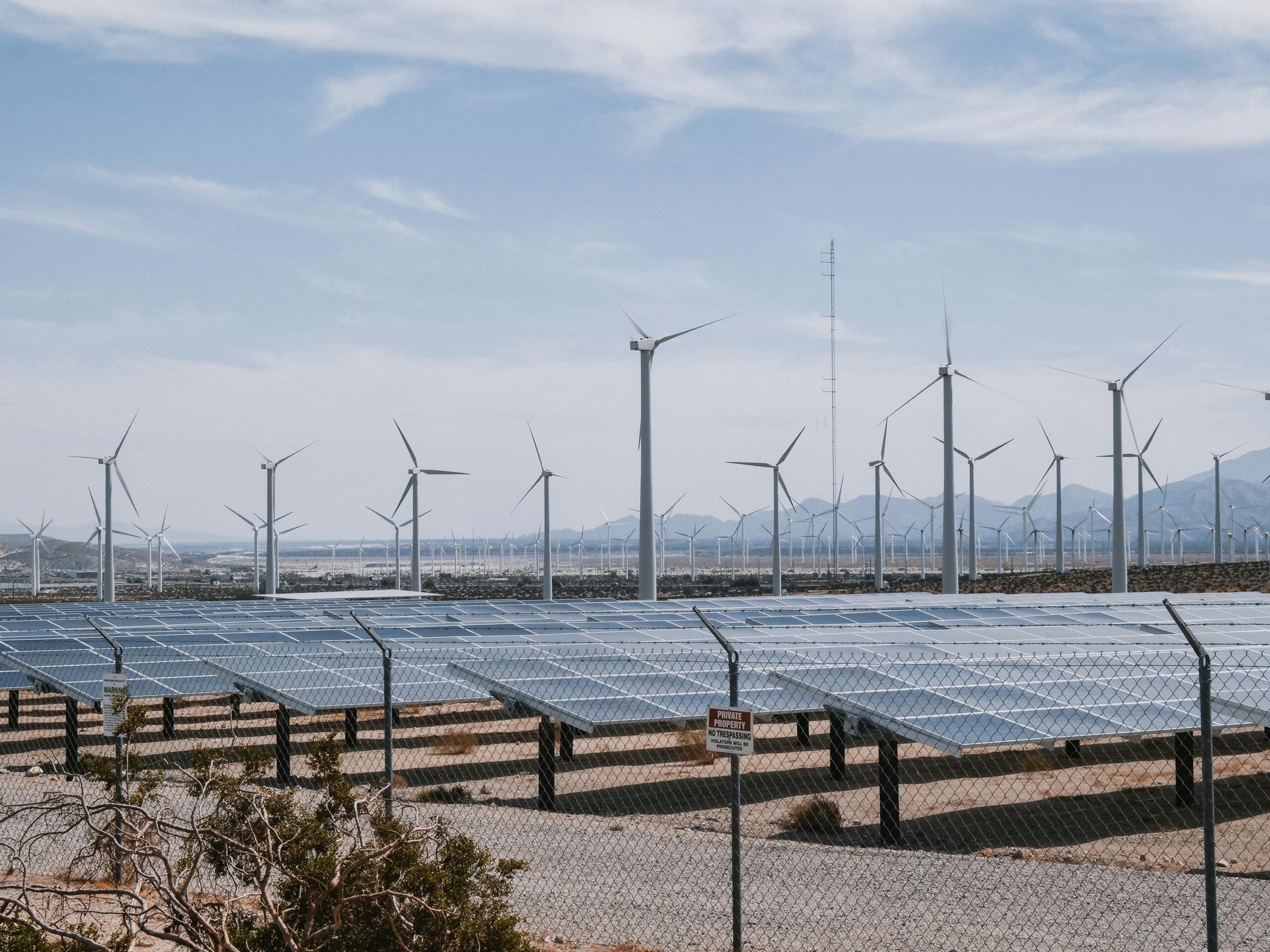
The global transition toward a sustainable economy demands more than incremental change—it requires a fundamental acceleration of green innovation. As climate challenges intensify and environmental degradation threatens ecosystems worldwide, the race to scale sustainable solutions has never been more urgent.

Finance mechanisms, strategic policy frameworks, and robust public-private partnerships represent the three pillars capable of transforming promising green technologies from laboratory concepts into market-ready solutions. Understanding how these elements interconnect and reinforce each other is essential for stakeholders committed to environmental progress and economic resilience.
🌱 The Innovation Imperative: Why Speed Matters in Green Transition
Time has become the most critical variable in addressing environmental challenges. Scientific consensus indicates that the window for preventing catastrophic climate change is narrowing rapidly, with actionable solutions needed within the current decade rather than distant future timeframes.
Green innovation encompasses a broad spectrum of technologies and approaches, from renewable energy systems and carbon capture technologies to circular economy business models and sustainable agriculture practices. Each innovation cycle—from research and development through commercialization—traditionally spans years or even decades. This timeline is simply incompatible with the urgency of environmental imperatives.
Accelerating this process requires deliberate intervention at multiple levels. Financial constraints often strangle promising technologies before they reach maturity. Regulatory uncertainties create hesitation among investors and entrepreneurs. Market failures prevent the proper valuation of environmental benefits. These barriers demand coordinated responses that leverage the strengths of both public and private sectors.
💰 Financial Mechanisms Driving Green Innovation Forward
Capital represents the lifeblood of innovation, yet sustainable technologies historically struggled to attract sufficient investment due to perceived risks, lengthy payback periods, and competition with established fossil fuel industries. The financial landscape is evolving, but strategic interventions remain essential to channel adequate resources toward green solutions.
Blended Finance Structures
Blended finance combines public or philanthropic funds with private capital to de-risk investments in sustainable projects. This approach has proven particularly effective in emerging markets where green technologies face heightened uncertainty. Development finance institutions often provide first-loss capital or guarantees that make projects attractive to commercial investors who would otherwise remain on the sidelines.
The structure effectively redistributes risk, allowing innovations to access capital markets at scales previously unattainable. Projects involving renewable energy infrastructure in developing nations, sustainable forestry initiatives, and clean water technologies have all benefited from blended finance approaches.
Green Bonds and Sustainable Debt Instruments
The green bond market has experienced exponential growth, surpassing $500 billion in annual issuance globally. These instruments earmark proceeds specifically for environmental projects, creating dedicated funding streams for sustainable innovation. Beyond traditional bonds, sustainability-linked loans tie interest rates to borrowers’ achievement of environmental performance targets, creating financial incentives for continuous improvement.
This evolution in debt markets signals a fundamental shift in how capital markets value environmental performance. Investors increasingly recognize that sustainability represents not merely ethical considerations but material financial factors affecting long-term returns.
Venture Capital and Impact Investing
Specialized venture capital funds focusing on climate technology and sustainable innovation have multiplied in recent years. These investors bring not only capital but also sector expertise, networks, and strategic guidance essential for scaling early-stage companies. Impact investors explicitly seek measurable environmental benefits alongside financial returns, expanding the pool of available capital for green innovators.
The maturation of exit opportunities—through acquisitions by established corporations or public offerings—has further strengthened the ecosystem, demonstrating that sustainable ventures can deliver competitive returns while advancing environmental objectives.
📋 Policy Frameworks That Enable Rather Than Obstruct
Government policy profoundly influences the pace and direction of green innovation. Well-designed regulations, incentives, and standards can accelerate sustainable solutions, while poorly conceived policies can inadvertently create barriers or distort markets in counterproductive ways.
Carbon Pricing and Market-Based Mechanisms
Putting a price on carbon emissions—whether through taxation or cap-and-trade systems—fundamentally alters economic calculations throughout the economy. When environmental costs are internalized rather than externalized, sustainable alternatives become more competitive without requiring direct subsidies for every technology.
Jurisdictions implementing carbon pricing have consistently observed accelerated innovation in emissions reduction technologies. The price signal creates ongoing incentives for efficiency improvements and technology development, allowing markets to discover optimal solutions rather than having governments pick technological winners.
Regulatory Sandboxes and Adaptive Governance
Traditional regulatory frameworks often struggle to accommodate disruptive innovations that don’t fit neatly into existing categories. Regulatory sandboxes allow controlled testing of new technologies under relaxed rules, enabling both innovators and regulators to understand implications before full-scale deployment.
This approach has proven particularly valuable for innovations involving complex systems—smart grids, autonomous electric vehicles, blockchain-based environmental credit trading platforms—where existing regulations may inadvertently block progress. Adaptive governance frameworks that evolve alongside technological capabilities prevent regulatory lag from becoming an innovation bottleneck.
Performance Standards Rather Than Prescriptive Requirements
Policies that specify desired outcomes rather than mandating particular technologies preserve flexibility for innovation. Emissions standards for vehicles, energy efficiency requirements for buildings, and renewable energy portfolio standards all exemplify outcome-based approaches that encourage diverse solutions and continuous improvement.
This contrasts with technology mandates that can lock in suboptimal approaches or create stranded assets when superior alternatives emerge. Performance-based policies harness competitive dynamics to drive innovation while ensuring environmental objectives are met.
🤝 Public-Private Partnerships: Combining Strengths for Maximum Impact
Neither public nor private sectors possess all necessary capabilities to accelerate green innovation independently. Governments control regulatory frameworks, provide patient capital, and can coordinate large-scale initiatives but often lack the agility and market knowledge of private enterprises. Businesses excel at execution, efficiency, and commercialization but require stable policy environments and sometimes need public support to overcome market failures.
Infrastructure Development and Deployment
Large-scale sustainable infrastructure—charging networks for electric vehicles, hydrogen production and distribution systems, smart grid modernization—requires coordination and investment beyond what purely private initiatives typically provide. Public-private partnerships can align incentives, share risks, and accelerate deployment timelines.
Successful models involve governments establishing frameworks and potentially providing anchor investments while private partners contribute operational expertise, technology, and additional capital. This division of labor leverages comparative advantages while avoiding the inefficiencies that can plague purely governmental projects or the underinvestment characteristic of purely private approaches to public goods.
Research and Development Collaboration
Early-stage research for breakthrough technologies often requires resources and timelines incompatible with private sector investment horizons. Public funding for basic research—through universities, national laboratories, and research grants—creates knowledge foundations that private companies can subsequently commercialize.
Effective partnerships establish clear intellectual property frameworks, maintain communication channels between researchers and industry, and create pathways for promising discoveries to transition from laboratories to markets. Technology transfer offices, industry liaison programs, and collaborative research centers all facilitate these connections.
Risk Sharing in Demonstration Projects
The “valley of death” between prototype and commercial deployment claims numerous promising technologies. Demonstration projects at commercial or near-commercial scale prove technical viability, reveal operational challenges, and generate performance data essential for attracting private investment. Yet the risks involved often exceed what private investors will accept without public participation.
Public-private partnerships can structure demonstration projects with governments absorbing portions of downside risk while private partners contribute expertise and maintain accountability through shared investment. Successful demonstrations accelerate subsequent adoption by reducing uncertainty for both investors and customers.
⚡ Sectoral Applications: Where Acceleration Matters Most
While green innovation spans countless industries, several sectors present particularly high-impact opportunities where accelerated scaling could deliver transformative environmental and economic benefits.
Renewable Energy and Storage
Solar and wind generation costs have plummeted, yet integration challenges and intermittency issues require continued innovation in energy storage, grid management, and complementary technologies. Battery chemistry improvements, long-duration storage solutions, and smart grid technologies all represent areas where coordinated finance, policy, and partnerships can accelerate progress.
Sustainable Agriculture and Food Systems
Agriculture contributes significantly to emissions while remaining vulnerable to climate impacts. Precision agriculture technologies, alternative proteins, regenerative farming practices, and supply chain innovations offer pathways toward sustainable food systems. Scaling these solutions requires addressing fragmented markets, supporting farmer transitions, and ensuring technologies remain accessible to diverse producers.
Circular Economy and Waste Reduction
Transitioning from linear “take-make-dispose” models to circular systems that eliminate waste and maximize resource efficiency demands both technological innovation and business model reinvention. Extended producer responsibility policies, material marketplaces, and reverse logistics systems can accelerate circular economy adoption when supported by appropriate financing and public-private collaboration.
Built Environment and Sustainable Cities
Buildings account for substantial energy consumption and emissions, while urban design profoundly affects transportation patterns and resource use. Green building technologies, district energy systems, nature-based urban solutions, and sustainable construction materials all require scaling. Municipal governments, developers, and technology providers must collaborate to transform built environments.
🌍 Cross-Border Collaboration and Technology Transfer
Climate change and environmental degradation recognize no borders, yet innovation capacity and financial resources distribute unevenly globally. Accelerating green innovation requires international cooperation that facilitates technology transfer, shares best practices, and ensures sustainable solutions reach all regions.
Developed nations often lead in certain technology areas but can learn from innovations emerging elsewhere—leapfrog renewable deployment in some developing countries, nature-based solutions from indigenous communities, or frugal innovation approaches that maximize impact with minimal resources. Multilateral development banks, international climate funds, and bilateral partnerships all play roles in facilitating knowledge exchange and resource flows.
Intellectual property frameworks must balance incentivizing innovation with ensuring widespread access to critical technologies. Voluntary licensing, technology pools, and targeted capacity building can help navigate these tensions, ensuring that profit motives and planetary imperatives align rather than conflict.
📊 Measuring Progress and Ensuring Accountability
Acceleration requires measurement—clear metrics that track whether interventions are achieving intended outcomes and identify where adjustments are needed. Transparent reporting frameworks, standardized impact assessments, and regular evaluation cycles ensure that finance flows toward genuinely effective solutions rather than greenwashing.
Key performance indicators should encompass multiple dimensions: technology deployment rates, emissions reductions achieved, costs per unit of environmental benefit, jobs created, and equity considerations. Comprehensive measurement recognizes that sustainable innovation must deliver social and economic benefits alongside environmental improvements.
Accountability mechanisms—including independent verification, public disclosure requirements, and consequences for failure to meet commitments—maintain integrity in both public programs and private initiatives. As green finance grows, robust standards prevent dilution of environmental criteria and maintain stakeholder confidence.
🚀 Emerging Frontiers and Future Opportunities
The green innovation landscape continues evolving, with emerging technologies presenting new acceleration opportunities. Artificial intelligence applications for energy optimization and climate modeling, synthetic biology for sustainable materials production, and advanced manufacturing techniques for efficient production all represent frontiers where strategic support could yield breakthrough impacts.
Digital technologies offer particular promise for accelerating sustainability transitions. Data platforms can optimize resource use across entire systems, blockchain can enhance transparency in supply chains, and simulation tools can accelerate design iterations. Ensuring these digital innovations serve environmental objectives rather than merely increasing consumption requires intentional policy and investment choices.
The integration of environmental considerations into all innovation—not just explicitly “green” technologies—represents an equally important frontier. When sustainability becomes a default design criterion across all sectors rather than a specialized niche, the cumulative impact multiplies exponentially.

🎯 Building Momentum Through Coordinated Action
Accelerating green innovation scaling ultimately requires coordinated action across multiple stakeholders—governments establishing enabling frameworks, financial institutions directing capital toward sustainable solutions, corporations committing to environmental performance, researchers advancing knowledge frontiers, and civil society maintaining pressure and accountability.
No single intervention suffices; rather, reinforcing actions across finance, policy, and partnerships create ecosystems where green innovation flourishes. Success stories demonstrate common patterns: patient capital supporting early development, policies creating market demand and removing barriers, and collaborations combining diverse capabilities.
The transition toward sustainability represents not merely an environmental imperative but an economic opportunity—creating industries, generating employment, and building resilience. Regions and nations that successfully accelerate green innovation position themselves advantageously in emerging global markets while contributing to collective environmental security.
The urgency is undeniable, but so too is the potential. With strategic deployment of financial resources, thoughtfully designed policies, and authentic public-private collaboration, the acceleration of green innovation from promising concepts to scaled solutions is entirely achievable. The question is not whether we possess the tools, but whether we will deploy them with sufficient speed and commitment to meet the moment.