Modern cities are evolving rapidly, and the way we design our communities directly impacts how we live, move, and connect with one another. Compact living combined with mixed-use developments is revolutionizing urban landscapes worldwide.

The traditional suburban sprawl model, characterized by single-use zoning and car dependency, has created numerous challenges including traffic congestion, environmental degradation, and social isolation. Today’s urban planners and developers are increasingly turning to integrated community designs that prioritize walkability, diverse housing options, and vibrant public spaces. These transformative approaches are not just about building structures; they’re about creating ecosystems where people can thrive, work, play, and connect within minutes of their homes.
🏙️ Understanding the Compact Living Revolution
Compact living represents a fundamental shift in how we approach residential development. Rather than sprawling outward, cities are building upward and inward, creating denser neighborhoods that maximize land use efficiency while minimizing environmental impact. This approach isn’t about cramming people into tiny spaces—it’s about intelligent design that provides all necessary amenities within walking distance.
The concept emerged from successful European and Asian models where space has always been at a premium. Cities like Amsterdam, Tokyo, and Copenhagen have long demonstrated that higher density doesn’t mean lower quality of life. In fact, these cities consistently rank among the world’s most livable, proving that thoughtful compact development can enhance rather than diminish the urban experience.
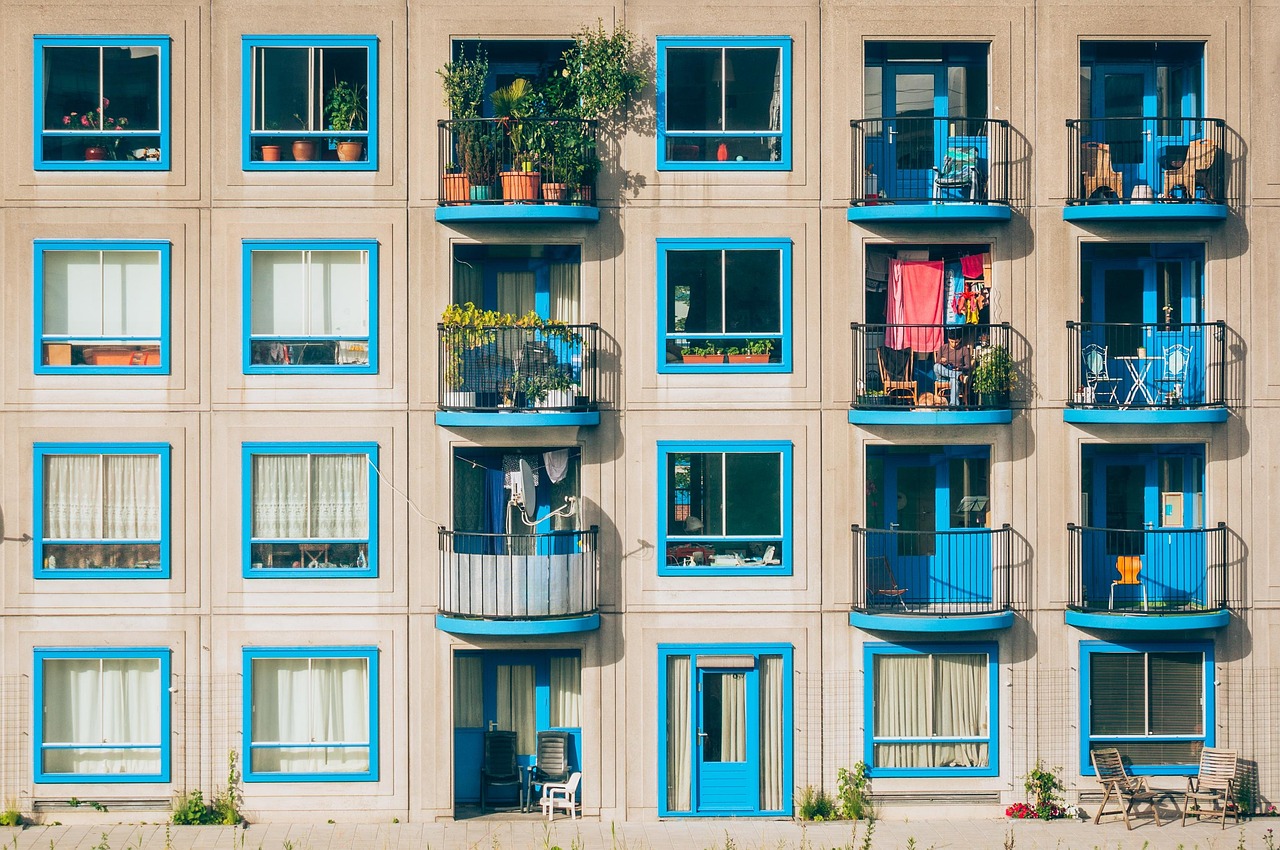
Compact communities typically feature residential buildings ranging from mid-rise apartments to townhouses, all within close proximity to essential services. This proximity reduces the need for long commutes and encourages active transportation methods like walking and cycling. The environmental benefits are substantial, with reduced carbon emissions per capita and decreased pressure on surrounding natural areas.
Mixed-Use Developments: The Heart of Urban Vitality
Mixed-use spaces are the secret ingredient that transforms compact neighborhoods from mere residential clusters into thriving communities. These developments integrate residential, commercial, cultural, and institutional uses within a single building or district. Ground floors often house retail shops, cafes, and services, while upper levels contain offices and apartments.
This vertical integration creates natural foot traffic throughout the day, supporting local businesses and fostering a sense of security through constant activity. A resident might live on the fifth floor, work in an office on the third, grab coffee on the ground level, and meet friends at a rooftop restaurant—all without leaving the building. This convenience isn’t just about saving time; it’s about creating opportunities for spontaneous social interactions that build community bonds.
The economic advantages are equally compelling. Mixed-use developments attract diverse demographics, from young professionals to families and retirees, creating stable rental markets and property values. Local businesses benefit from built-in customer bases, while residents enjoy the convenience of having services within easy reach. This symbiotic relationship strengthens the economic resilience of entire neighborhoods.
Key Components of Successful Mixed-Use Spaces
- Ground-floor activation: Retail and dining establishments that create vibrant street life and natural surveillance
- Flexible commercial spaces: Adaptable work environments that can accommodate startups, freelancers, and established businesses
- Residential diversity: Multiple unit types to accommodate various household sizes and income levels
- Public gathering areas: Plazas, courtyards, and parks that serve as community focal points
- Cultural amenities: Libraries, galleries, performance spaces, and community centers that enrich daily life
- Service integration: Healthcare facilities, schools, and childcare centers within walking distance
🚶♀️ Mobility Revolution Through Design
One of the most transformative aspects of compact, mixed-use communities is their impact on mobility. When daily necessities are within a 15-minute walk or bike ride, the car transitions from necessity to optional convenience. This shift has profound implications for traffic congestion, air quality, and public health.
Walkability becomes the foundation of community design. Wide sidewalks, protected pedestrian crossings, and thoughtful landscaping make walking pleasant and safe. Streets are designed for people first, with vehicles accommodated but not prioritized. This reversal of traditional traffic engineering creates environments where children can safely walk to school and elderly residents can maintain independence without driving.
Cycling infrastructure receives equal attention in well-designed compact communities. Protected bike lanes, secure bicycle parking, and bike-sharing programs make cycling a practical option for daily transportation. Cities like Copenhagen have demonstrated that when cycling infrastructure is properly implemented, it can account for over 40% of all commute trips, dramatically reducing traffic and emissions.
Public Transit Integration
Compact development and public transportation form a powerful partnership. Higher residential densities create sufficient ridership to support frequent, efficient transit services. When communities are built around transit stations—a concept known as transit-oriented development—public transportation becomes the natural choice for longer trips.
Transit-oriented developments typically place the highest density housing and commercial activity within a quarter-mile of transit stations, gradually transitioning to lower densities further away. This creates concentric zones of intensity that maximize transit utility while respecting neighborhood character. Residents can access regional employment centers, cultural attractions, and services without owning a car, significantly reducing household transportation costs.
Creating Vibrant, Livable Communities 🌳
Livability extends far beyond physical infrastructure—it encompasses the social, cultural, and psychological aspects of community life. Compact, mixed-use developments excel at creating the conditions for vibrant community culture through deliberate design choices that encourage interaction and engagement.
Public spaces serve as the living rooms of these communities. Parks, plazas, and squares provide neutral ground where residents from different backgrounds naturally intersect. Seasonal markets, outdoor concerts, and community festivals transform these spaces into stages for shared experiences. The regular presence of neighbors in public spaces builds familiarity and trust, essential ingredients for community cohesion.
The density of compact living paradoxically offers both community and privacy. While residents live closer together, thoughtful design provides adequate personal space and noise insulation. Shared amenities like rooftop gardens, fitness centers, and co-working spaces offer opportunities for interaction while reducing individual household costs and spatial requirements.
Social Equity and Inclusive Development
Well-executed compact, mixed-use development can advance social equity by providing diverse housing options at various price points within the same neighborhood. This economic integration prevents the segregation common in single-use suburban developments and exposes all residents to broader social diversity.
Affordable housing units integrated within market-rate developments ensure that essential workers—teachers, nurses, service employees—can afford to live near their workplaces. This reduces commute times for lower-income residents while maintaining neighborhood diversity. Ground-floor retail spaces can be designated for small, locally-owned businesses, preserving community character and providing entrepreneurship opportunities.
🌍 Environmental Sustainability Benefits
The environmental advantages of compact, mixed-use communities are substantial and multifaceted. Reduced automobile dependence directly translates to lower greenhouse gas emissions per capita. Studies consistently show that residents of walkable, transit-served neighborhoods have carbon footprints 30-50% smaller than those in car-dependent suburbs.
Energy efficiency improves through shared walls in multi-unit buildings, reducing heating and cooling demands. Compact development preserves surrounding natural areas and agricultural land from sprawling development, protecting ecosystems and maintaining food production capacity near urban centers. Green building techniques, rooftop gardens, and integrated stormwater management further enhance environmental performance.
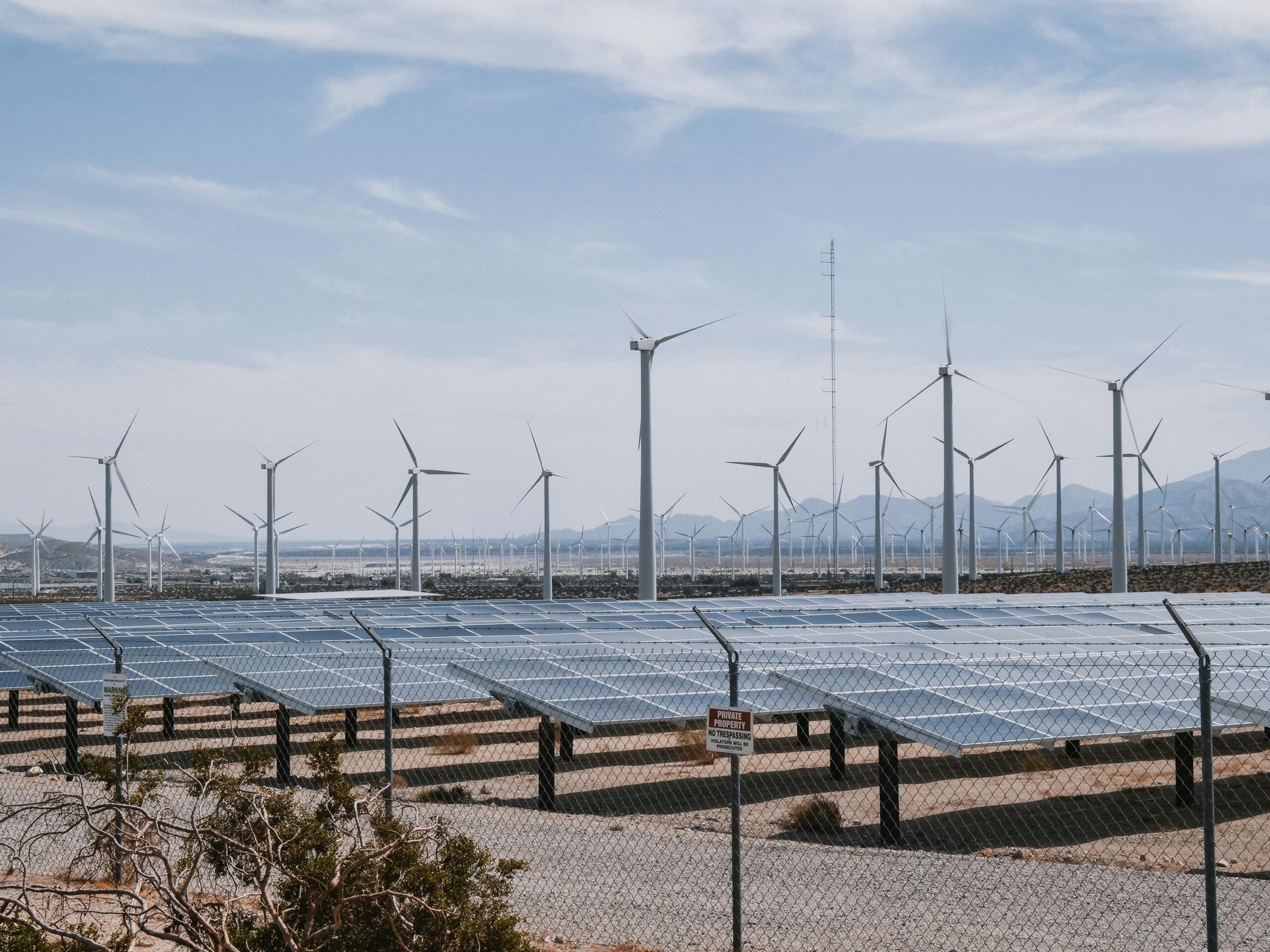
The concentration of people and activities also makes renewable energy infrastructure more viable. District heating and cooling systems, solar panel installations, and micro-grid technologies achieve better economics and efficiency in denser developments. This creates pathways toward carbon-neutral communities that would be impractical in low-density sprawl.
Overcoming Implementation Challenges
Despite compelling advantages, implementing compact, mixed-use development faces significant obstacles. Outdated zoning codes often prohibit mixed-use construction, requiring lengthy variance processes. Community resistance to density, often termed NIMBYism (Not In My Backyard), can derail promising projects. Financial institutions sometimes hesitate to fund innovative designs, preferring conventional single-use developments with established market performance.
Successful implementation requires patient community engagement, demonstrating through examples and data how compact, mixed-use development benefits existing residents. Pilot projects can demonstrate concepts on a smaller scale, building confidence for larger developments. Progressive zoning reforms that allow mixed-use by right rather than exception streamline approvals and reduce uncertainty for developers.
Parking requirements present another common obstacle. Traditional codes mandate excessive parking that increases costs and reduces space for people-oriented amenities. Progressive cities are reducing parking minimums in transit-served areas, recognizing that residents in walkable neighborhoods own fewer vehicles. Unbundling parking from residential units—allowing residents to opt out of parking spaces and associated costs—provides flexibility while reducing development expenses.
Learning from Global Best Practices
Cities worldwide offer valuable lessons in compact, mixed-use development. Barcelona’s superblocks transform car-dominated streets into pedestrian-friendly public spaces by restricting through traffic. Melbourne’s laneways demonstrate how activating overlooked urban spaces creates vibrant cultural districts. Vancouver’s residential towers with ground-floor retail and exceptional public realm show how density can enhance rather than diminish livability.
These examples share common elements: political commitment to long-term vision, regulatory frameworks that enable rather than obstruct innovation, and willingness to prioritize people over vehicles. They demonstrate that transformation is possible when communities collectively commit to reimagining urban life.
🔮 The Future of Urban Living
The trajectory toward compact, mixed-use communities will accelerate as climate change, resource constraints, and demographic shifts make suburban sprawl increasingly unsustainable. Younger generations show strong preferences for walkable urban neighborhoods over car-dependent suburbs, driving market demand for compact living options. Remote work trends enable people to choose residential locations based on lifestyle and community rather than commute proximity to specific employment centers.
Technology will enhance compact community functionality. Smart city systems can optimize parking, transit, and energy use in real-time. Digital platforms can strengthen community connections, coordinate resource sharing, and facilitate local commerce. However, technology serves as an enabler rather than solution—thoughtful physical design remains foundational to creating truly livable communities.
Climate adaptation will become increasingly central to community design. Compact development reduces per-capita land consumption, preserving space for green infrastructure that manages stormwater and mitigates heat island effects. Mixed-use neighborhoods with strong local services build resilience against supply chain disruptions and extreme weather events that impede transportation.
Making the Transition: Practical Steps Forward
For cities beginning this transformation, incremental approaches often prove most effective. Identifying key corridors or districts for pilot mixed-use development allows focused investment and demonstrates concepts before broader application. Form-based codes that specify building character and public realm rather than separating uses enable mixed-use development while maintaining design quality.
Community land trusts and cooperative housing models can ensure lasting affordability within compact developments. These structures remove housing from speculative markets while maintaining quality and community control. Inclusionary zoning requirements mandate affordable units in market-rate developments, preventing economic segregation.
Infrastructure investment must prioritize pedestrian, cycling, and transit facilities over automobile accommodation. Complete streets policies ensure new roads serve all users safely. Parking reform reduces minimum requirements while maximizing on-street parking management to serve visitors and short-term needs efficiently.
🎯 Transforming Lives Through Better Places
Ultimately, compact living and mixed-use development represent more than urban planning strategies—they’re pathways to fundamentally better daily experiences. Time saved from shortened commutes becomes time for family, hobbies, and community engagement. Money saved on transportation can fund education, entrepreneurship, or savings. Health improves through active transportation and reduced air pollution.
The social benefits may prove most transformative. Communities where people regularly encounter neighbors and participate in shared public life combat isolation and loneliness, increasingly recognized as public health crises. Children growing up in walkable neighborhoods develop independence earlier, while elderly residents maintain autonomy longer. The diversity inherent in mixed-use communities exposes residents to different perspectives and experiences, building empathy and social cohesion.
These communities demonstrate that density and livability aren’t opposing forces but complementary elements of successful urbanism. Well-designed compact neighborhoods offer both the efficiency and sustainability cities need and the vitality and connection people crave. As more communities embrace this transformation, we’re not just building different places—we’re creating fundamentally better ways of living together.
The movement toward compact, mixed-use communities represents one of the most promising developments in contemporary urbanism. By thoughtfully integrating where we live, work, and gather, we create neighborhoods that are simultaneously more sustainable, more equitable, and more enjoyable. The transformation requires vision, commitment, and patience, but the rewards—vibrant communities where people and planet both thrive—make the effort undeniably worthwhile.