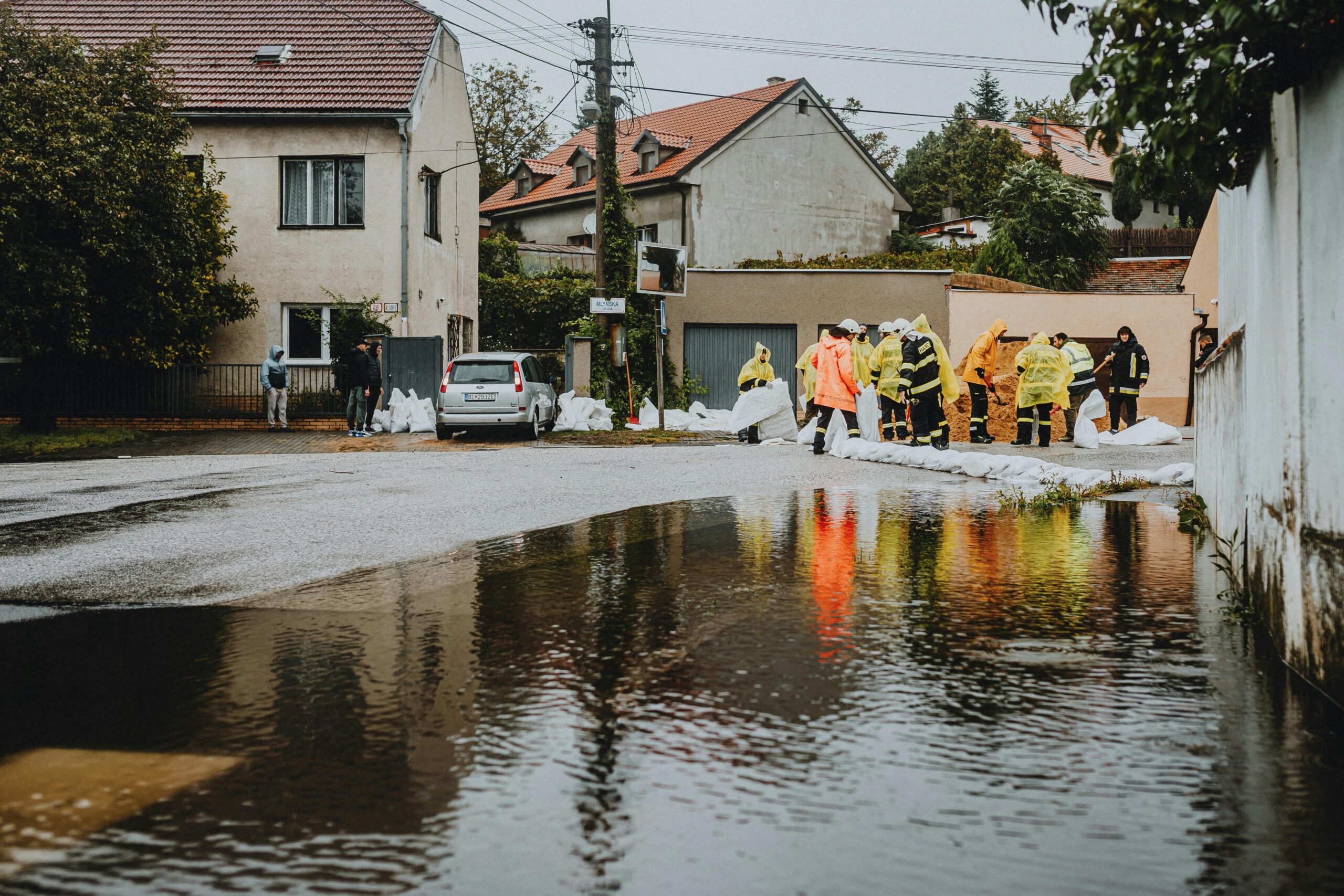
Communities thrive when every voice matters and participatory planning transforms neighborhoods into vibrant, inclusive spaces where meaningful change takes root through collective action and shared vision.

The fabric of strong communities isn’t woven by chance or top-down mandates alone. It emerges from deliberate, inclusive processes that invite diverse stakeholders to the planning table, creating spaces where residents, organizations, and decision-makers collaborate authentically. This approach to community building recognizes that those who live and work within neighborhoods possess invaluable insights about local needs, challenges, and opportunities that external experts might overlook.
🌍 The Foundation of Participatory Community Planning
Participatory planning represents a fundamental shift from traditional hierarchical decision-making to democratic, community-centered approaches. Rather than treating residents as passive recipients of policies and programs, this methodology positions them as active co-creators of their community’s future. The participatory model acknowledges that sustainable development requires buy-in, ownership, and engagement from the very people whose lives will be most directly affected.
At its core, participatory planning dismantles barriers between professionals and community members. It creates pathways for marginalized voices—including low-income residents, ethnic minorities, youth, elderly populations, and people with disabilities—to contribute meaningfully to conversations that shape housing, transportation, public spaces, economic development, and social services.
Why Traditional Planning Models Fall Short
Conventional planning processes often suffer from limited perspectives and disconnection from community realities. When decisions happen behind closed doors or rely exclusively on technical expertise without lived experience, the results frequently miss the mark. Projects may address symptoms rather than root causes, allocate resources inefficiently, or create unintended negative consequences for vulnerable populations.
Historical examples abound of well-intentioned urban renewal projects that destroyed tight-knit neighborhoods, transportation corridors that divided communities along racial lines, or economic development initiatives that triggered gentrification and displacement. These outcomes stem from planning processes that excluded the very people they claimed to serve.
🤝 Core Principles of Inclusive Community Engagement
Building genuinely inclusive participatory processes requires commitment to several foundational principles that ensure authenticity and effectiveness in community engagement efforts.
Accessibility as a Non-Negotiable Standard
True inclusion begins with removing barriers to participation. This means hosting meetings at convenient times and accessible locations, providing childcare and transportation support, offering translation services for non-English speakers, and creating multiple channels for input beyond traditional public meetings. Digital platforms, door-to-door conversations, pop-up events at community gathering spots, and culturally specific outreach all expand who can participate.
Physical accessibility for people with disabilities must be standard practice, not an afterthought. This includes wheelchair-accessible venues, materials in alternative formats like large print or braille, and accommodations for various sensory needs.
Representative Participation That Mirrors Community Diversity
An inclusive process actively seeks out underrepresented voices rather than waiting for them to show up. This requires intentional relationship-building with community organizations, faith institutions, schools, and informal networks that connect with diverse populations. Representation matters not just for equity’s sake but because diverse perspectives generate more creative, comprehensive solutions.
Compensation for participation time recognizes that community expertise has value. Stipends, honorariums, or other forms of acknowledgment demonstrate respect for the knowledge residents contribute and enable participation from those who cannot afford unpaid civic engagement.
Transparency and Clear Communication
Trust forms the bedrock of effective participatory planning, and transparency builds that trust. Communities need clear information about how decisions will be made, what influence their input will have, timelines for action, and constraints that exist. When limitations or predetermined elements exist, honesty about those parameters prevents frustration and disillusionment.
Communication should avoid jargon and technical language that excludes non-experts. Visual tools, storytelling, and plain language explanations make complex planning concepts accessible to broader audiences.
🛠️ Proven Methods for Empowering Community Participation
Numerous participatory methodologies have demonstrated effectiveness in engaging communities and generating meaningful outcomes. The most successful initiatives typically combine multiple approaches tailored to local context and culture.
Asset-Based Community Development
Rather than focusing exclusively on problems and deficits, asset-based approaches identify and leverage existing community strengths. Every neighborhood possesses assets—skilled residents, local businesses, institutions, natural features, cultural traditions, and social networks. Mapping these resources and building upon them creates positive momentum and recognizes community capacity rather than reinforcing narratives of need and dependency.
This strength-based framework shifts the dynamic from outsiders “fixing” broken communities to facilitating community-driven solutions that build on existing foundations.
Collaborative Visioning and Design Processes
Community visioning brings residents together to imagine their neighborhood’s future. Through facilitated workshops, participants articulate shared values, identify priorities, and create collective goals. Visual preference surveys, scenario planning, and collaborative mapping exercises help translate abstract concepts into concrete proposals.
Participatory design takes this further by involving community members in creating specific plans for parks, streets, buildings, or public spaces. Hands-on activities like building models, creating sketches, or using digital design tools make planning tangible and engaging for non-professionals.
Participatory Budgeting: Democracy in Action
Participatory budgeting (PB) gives residents direct decision-making power over portions of public budgets. The process typically involves idea collection, proposal development, evaluation, and community-wide voting on which projects receive funding. Since its origins in Porto Alegre, Brazil in 1989, PB has spread to thousands of cities worldwide.
This methodology doesn’t just democratize resource allocation—it educates residents about budget constraints, builds civic capacity, and creates accountability between government and communities. Studies consistently show that PB leads to more equitable distribution of resources and increased civic engagement.
Community-Based Participatory Research
When communities face complex challenges requiring data and analysis, community-based participatory research (CBPR) engages residents as research partners rather than study subjects. Community members help define research questions, collect and interpret data, and determine how findings should be applied.
CBPR produces more culturally relevant research, builds community capacity for evidence-based advocacy, and ensures that research actually benefits the communities studied rather than extracting knowledge without reciprocity.
📊 Measuring Impact and Ensuring Accountability
Participatory processes require robust mechanisms for tracking progress, measuring outcomes, and maintaining accountability to community priorities. Without these elements, engagement risks becoming performative rather than transformative.
Developing Community-Informed Metrics
Success indicators should reflect community-defined priorities, not just easily quantifiable metrics that matter to funders or agencies. If residents identify social cohesion, cultural preservation, or environmental quality as top concerns, evaluation frameworks must capture progress on these dimensions.
Mixed-methods approaches combining quantitative data with qualitative narratives provide fuller pictures of impact. Community stories and testimonials reveal changes that numbers alone cannot convey.
Creating Feedback Loops and Adaptive Management
Regular reporting back to communities about how their input influenced decisions closes the participation loop. When community suggestions cannot be implemented, transparent explanations of why maintain trust. Adaptive management approaches allow plans to evolve based on community feedback and changing circumstances rather than rigidly adhering to initial proposals.
Community advisory boards, oversight committees with resident representation, and regular town halls create ongoing structures for accountability beyond one-time engagement events.
💪 Overcoming Common Challenges in Participatory Planning
Even with best intentions, participatory processes encounter predictable obstacles. Anticipating and addressing these challenges strengthens outcomes.
Addressing Power Imbalances and Historical Mistrust
Communities with histories of exploitation, broken promises, or displacement understandably approach new engagement initiatives with skepticism. Building trust requires sustained commitment, not one-off consultations. Organizations must acknowledge past harms, demonstrate consistency between words and actions, and invest in long-term relationship building.
Power dynamics within communities also require attention. Dominant voices can overshadow marginalized perspectives even in participatory spaces. Skilled facilitation, intentional inclusion practices, and sometimes separate forums for specific populations help ensure that participation doesn’t replicate existing hierarchies.
Balancing Diverse and Sometimes Conflicting Interests
Inclusive processes surface disagreements and competing visions that might remain hidden in traditional planning. While sometimes uncomfortable, this tension creates opportunities for negotiation, creative compromise, and solutions that balance multiple needs.
Transparent decision-making criteria, consensus-building techniques, and clear conflict resolution processes help navigate differences constructively. Not every stakeholder will get everything they want, but participatory processes can ensure everyone feels heard and that decisions reflect thoughtful consideration of diverse perspectives.
Sustaining Engagement Over Time
Participation fatigue sets in when engagement feels endless without visible results. Planning processes need realistic timelines with achievable milestones that demonstrate progress. Quick wins—small improvements that can happen relatively quickly—build momentum for longer-term transformations.
Celebrating successes, recognizing contributions, and maintaining community connections between formal planning phases sustain relationships and energy for ongoing work.
🌟 Technology as an Enabler of Broader Participation
Digital tools expand possibilities for inclusive engagement when deployed thoughtfully and equitably. Online platforms can reach residents unable to attend in-person meetings, enable asynchronous participation for those with schedule constraints, and provide interactive ways to explore planning scenarios.
Mapping applications allow residents to identify issues, suggest improvements, or share stories about places that matter to them. Social media extends conversations beyond official channels, though these spaces require monitoring and responsive engagement from organizers.
However, technology cannot replace face-to-face interaction and risks excluding residents without reliable internet access or digital literacy. Hybrid approaches combining digital and traditional methods maximize inclusivity.
🏘️ Case Examples of Transformative Participatory Planning
Real-world examples demonstrate how participatory, inclusive approaches generate stronger outcomes than traditional planning methods.
Neighborhood Revitalization Through Resident Leadership
Numerous neighborhoods have transformed through resident-led planning processes. These initiatives typically begin with extensive community organizing, asset mapping, and visioning before any formal plans emerge. Residents identify priorities—perhaps affordable housing preservation, business corridor revitalization, or public space improvements—and lead implementation with support from technical partners.
The power of these approaches lies not just in physical improvements but in strengthened social networks, increased civic capacity, and community confidence that residents can shape their own futures.
Transit Planning That Centers Equity
Progressive transit agencies increasingly engage communities—especially low-income riders and communities of color—in route planning, service design, and policy development. Participatory processes have led to more equitable fare structures, route adjustments that better serve communities with limited options, and station designs that reflect community character and needs.
When transit decisions reflect rider priorities rather than purely technical considerations, systems become more useful and equitable.
🔑 Building Your Community’s Capacity for Participatory Action
Strengthening communities through participatory planning requires investing in people and processes, not just projects. Leadership development programs that build residents’ skills in organizing, advocacy, planning, and project management create sustainable capacity for ongoing community self-determination.
Partnerships between communities, nonprofits, academic institutions, and government agencies can provide resources and expertise while centering community wisdom and priorities. The most effective partnerships recognize mutual learning—professionals gain insights from community knowledge while residents access technical support.
Creating Inclusive Decision-Making Structures
Formal structures that embed community voice in governance—resident seats on planning commissions, community benefits agreements, participatory budgeting systems, and neighborhood councils with real authority—institutionalize participation beyond individual projects.
These structures work best when they include accountability mechanisms, resources for meaningful participation, and genuine power-sharing rather than advisory roles that government can ignore.
🚀 Moving Forward: From Planning to Action
Participatory planning means little without implementation that honors community priorities. Advocacy for resources, political will, and supportive policies turns plans into reality. Communities that maintain organization and pressure beyond initial planning phases see their visions realized.
Implementation phases benefit from continued participation. Community hiring initiatives, local business procurement, volunteer opportunities, and ongoing feedback mechanisms keep residents connected to projects and ensure outcomes match expectations.
Spreading the Practice of Participatory Democracy
As communities experience success with participatory approaches, they often inspire neighboring areas to adopt similar practices. Networks of practitioners share lessons learned, tools, and support for communities beginning their own journeys toward more inclusive planning.
Professional planners, organizers, policymakers, and funders who embrace participatory values accelerate this cultural shift. Training programs, policy frameworks that require meaningful engagement, and funding structures that support authentic community participation all advance systemic change.
🌈 The Ripple Effects of Empowered Communities
When communities exercise agency in shaping their futures, benefits extend far beyond specific projects or plans. Social cohesion strengthens as neighbors connect through shared work. Civic skills and confidence grow, enabling residents to tackle emerging challenges. Democratic participation becomes habit rather than exception.
Children growing up in communities practicing participatory democracy learn that their voices matter and that collective action creates change. This intergenerational impact builds stronger democratic culture for the long term.
Economic benefits follow as well. Communities that attract investment aligned with resident priorities, develop local businesses, and build on community assets create more sustainable prosperity than those subject to external development without local input or benefit.
The environmental dimension cannot be overlooked either. Communities engaged in planning typically prioritize green space, environmental justice, climate resilience, and sustainable development—outcomes that benefit everyone.
Ultimately, participatory and inclusive planning represents more than a methodology for community development. It embodies a vision of democracy where people most affected by decisions have meaningful power to shape those decisions. It recognizes that expertise exists everywhere, that diverse perspectives generate better solutions, and that sustainable change requires community ownership.
Building stronger communities together isn’t a destination but an ongoing practice of showing up, listening deeply, sharing power, and working collectively toward futures that reflect shared values and dreams. Every community possesses the potential for transformative change when inclusive, participatory processes channel collective wisdom into purposeful action. The question isn’t whether communities can lead their own development—countless examples prove they can—but whether institutions and systems will share power and resources to enable that leadership to flourish.