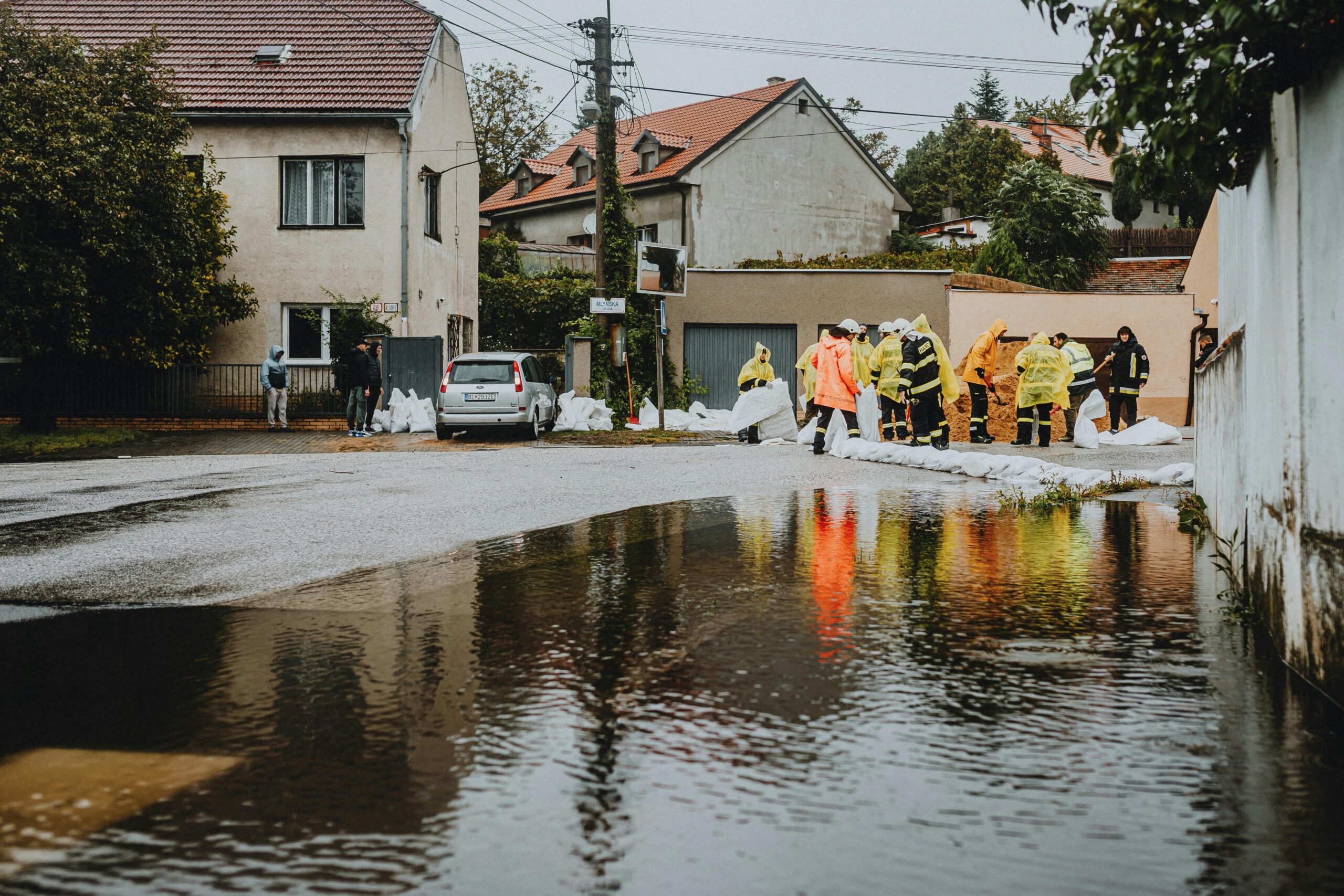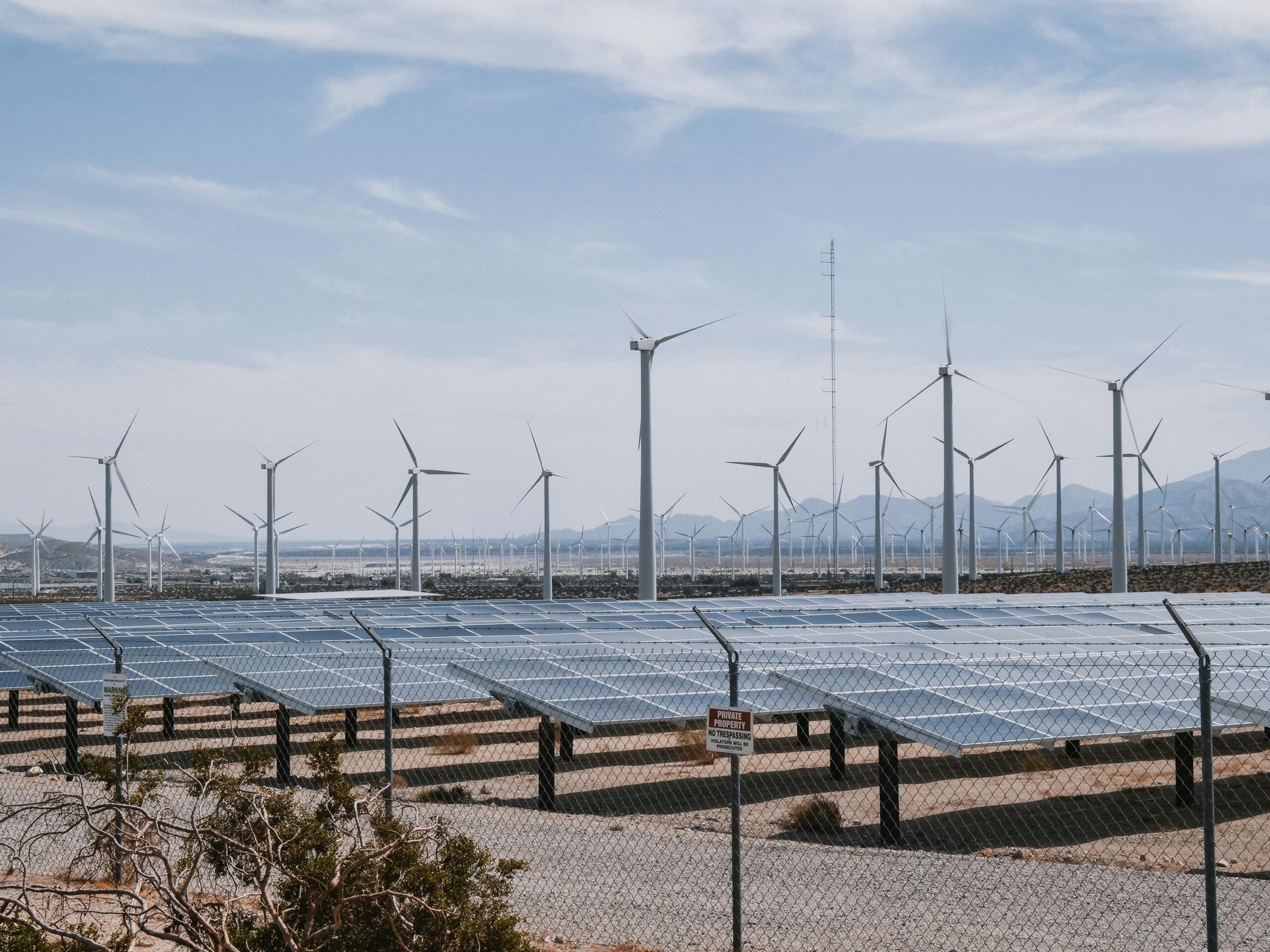
The planet faces unprecedented challenges in managing its most vital resources: water and biomass. As populations grow and climate patterns shift, innovative approaches to resource efficiency have become essential for sustainable development and environmental preservation.

Modern civilization stands at a critical crossroads where traditional resource management practices no longer suffice. The integration of sustainable water and biomass management represents not just an environmental imperative, but an economic opportunity that can reshape industries, communities, and entire ecosystems for generations to come.
🌊 Understanding the Water-Biomass Nexus in Modern Sustainability
Water and biomass exist in an intricate relationship that forms the foundation of life on Earth. This interconnection creates both challenges and opportunities for sustainable resource management. Water sustains plant growth, which produces biomass, while biomass systems can purify and regulate water cycles. Recognizing this symbiotic relationship is crucial for developing holistic management strategies.
The concept of resource efficiency extends beyond simple conservation. It encompasses intelligent utilization, circular economy principles, and technological innovation that maximize output while minimizing waste. In the context of water and biomass, this means creating systems where each resource enhances the value and availability of the other.
Global statistics paint a compelling picture of why this matters. According to recent studies, agriculture alone consumes approximately 70% of global freshwater resources, while biomass production and processing account for significant portions of land use and energy consumption. By revolutionizing how we manage these resources together, we can address multiple environmental challenges simultaneously.
💧 Innovative Water Management Technologies Transforming Industries
Advanced water treatment technologies have evolved dramatically in recent years, offering unprecedented opportunities for resource recovery and reuse. Membrane bioreactors, reverse osmosis systems, and constructed wetlands represent just a few innovations that allow communities and industries to treat, purify, and recirculate water with remarkable efficiency.
Smart water management systems utilize Internet of Things (IoT) sensors and artificial intelligence to monitor consumption patterns, detect leaks, and optimize distribution networks in real-time. These technologies reduce water loss, which in many urban systems exceeds 30% due to aging infrastructure and inefficient monitoring.
Precision Irrigation: The Agricultural Revolution
Agriculture’s transformation through precision irrigation exemplifies resource efficiency in action. Drip irrigation systems, soil moisture sensors, and weather-based controllers enable farmers to deliver exact water quantities when and where needed. This approach can reduce water consumption by 30-50% while maintaining or increasing crop yields.
The integration of satellite imagery and machine learning algorithms allows farmers to map field variations and adjust irrigation strategies accordingly. Variable rate irrigation systems respond to specific crop needs, soil conditions, and microclimatic factors, ensuring optimal water use efficiency across diverse agricultural landscapes.
🌱 Biomass Management: From Waste to Resource
Biomass management has undergone a paradigm shift from disposal-focused approaches to value-creation strategies. Organic waste, agricultural residues, and purpose-grown energy crops now represent valuable resources rather than environmental burdens. This transformation unlocks multiple revenue streams while reducing greenhouse gas emissions and landfill dependence.
Modern biomass management encompasses several key strategies:
- Anaerobic digestion converting organic waste into biogas and nutrient-rich digestate
- Composting systems transforming food and yard waste into soil amendments
- Pyrolysis technologies producing biochar, bio-oils, and syngas from biomass
- Enzymatic hydrolysis breaking down lignocellulosic materials for biofuel production
- Aquaponics and hydroponics integrating biomass production with water recirculation
Circular Economy Models in Biomass Utilization
The circular economy approach to biomass management creates closed-loop systems where waste from one process becomes input for another. Municipal wastewater treatment plants exemplify this principle by using biosolids for land application, generating biogas for energy production, and recovering nutrients for fertilizer manufacturing.
Industrial symbiosis networks connect different sectors to exchange biomass streams. Breweries provide spent grain to livestock operations, which produce manure for biogas facilities, which generate electricity and digestate for crop production. These interconnected systems maximize resource value while minimizing environmental impact.
🔄 Integrated Water-Biomass Management Systems
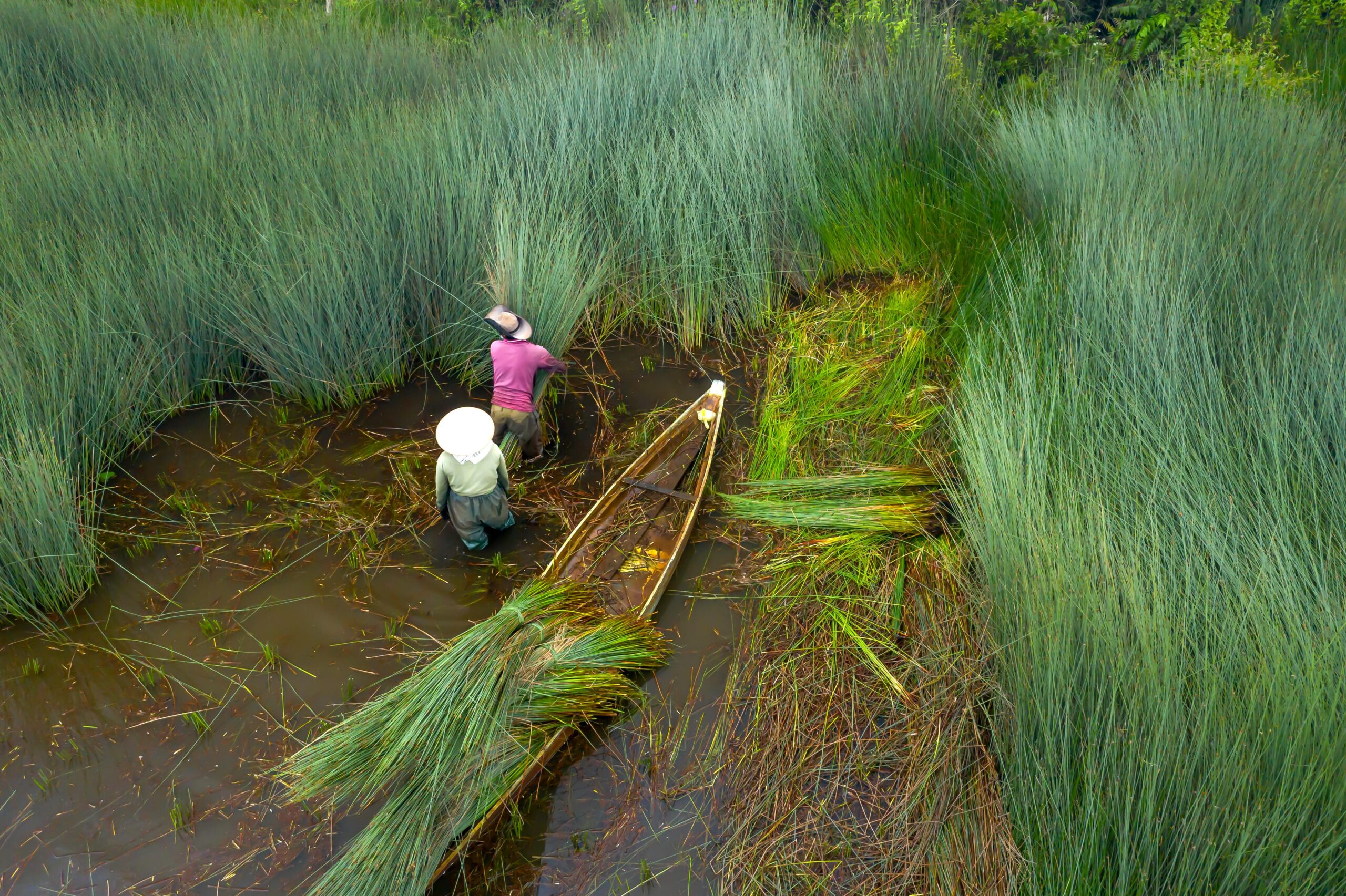
The most promising advances come from systems that manage water and biomass together rather than separately. Constructed wetlands demonstrate this integration beautifully, using aquatic plants to filter pollutants from water while producing harvestable biomass for energy or materials.
Algae cultivation systems represent another powerful integration opportunity. Microalgae grow rapidly in wastewater, nutrient-rich environments, absorbing nitrogen and phosphorus while producing biomass rich in oils, proteins, and carbohydrates. The harvested algae can become biofuels, animal feed, or high-value compounds, while the treated water returns to the environment or other uses.
| Integrated System | Water Benefit | Biomass Benefit | Additional Value |
|---|---|---|---|
| Constructed Wetlands | Natural filtration and purification | Harvestable aquatic plants | Wildlife habitat creation |
| Algae Cultivation | Nutrient removal from wastewater | High-value biomass production | CO2 sequestration |
| Aquaponics | 90% less water than traditional farming | Simultaneous fish and plant production | Year-round local food production |
| Bioretention Systems | Stormwater management | Urban vegetation biomass | Heat island mitigation |
🏭 Industrial Applications Driving Economic Value
Industrial facilities increasingly recognize that sustainable resource management improves bottom lines while reducing environmental footprints. Pulp and paper mills now recover and reuse process water multiple times, extract energy from biomass residues, and convert waste streams into marketable products.
Food processing industries implement water recycling systems that reduce consumption by 50-70% while generating biomass co-products. Fruit and vegetable processing facilities extract pectin, fibers, and bioactive compounds from peels and pomace previously discarded. Meat processing plants convert organic waste through anaerobic digestion, generating renewable energy and reducing disposal costs.
Municipal Scale Implementation Success Stories
Cities worldwide demonstrate that large-scale integrated resource management is both feasible and economically advantageous. Singapore’s NEWater program treats wastewater to ultra-clean standards, supplying 40% of the nation’s water needs. The biosolids from treatment become fertilizer or energy sources, creating a comprehensive resource recovery system.
Copenhagen’s district heating system utilizes biomass from forestry and agricultural waste alongside waste-to-energy facilities, providing sustainable heating to hundreds of thousands of residents while managing organic waste streams effectively.
🌍 Climate Change Mitigation Through Resource Efficiency
Efficient water and biomass management directly addresses climate change through multiple mechanisms. Reduced water pumping and treatment lowers energy consumption and associated emissions. Biomass utilization displaces fossil fuels while maintaining carbon neutrality when sourced sustainably.
Soil carbon sequestration through biochar application and organic matter management removes atmospheric CO2 while improving agricultural productivity and water retention. Studies show that widespread adoption of these practices could sequester billions of tons of carbon annually while enhancing food security.
Water conservation reduces the energy footprint of water infrastructure, which accounts for approximately 4% of global electricity consumption. Every cubic meter of water saved eliminates the energy required for extraction, treatment, distribution, heating, and wastewater processing.
📱 Digital Technologies Enabling Smart Resource Management
Digital transformation revolutionizes how organizations monitor, analyze, and optimize resource use. Cloud-based platforms aggregate data from sensors, satellites, and operational systems, providing real-time insights into water flows, biomass inventories, and system performance.
Blockchain technology enables transparent tracking of water rights, biomass supply chains, and carbon credits, building trust among stakeholders and facilitating efficient markets for environmental services. Smart contracts automatically execute payments when sustainability targets are met, incentivizing better practices.
Machine learning algorithms predict equipment failures before they occur, optimize treatment processes for changing conditions, and identify efficiency opportunities that human operators might miss. These predictive capabilities reduce downtime, extend equipment life, and maximize resource recovery.
🚜 Agricultural Innovation for Water and Biomass Synergy
Regenerative agriculture practices demonstrate how farming can enhance rather than deplete natural resources. Cover cropping, crop rotation, and reduced tillage build soil organic matter, increase water infiltration, and generate diverse biomass while sequestering carbon and reducing erosion.
Agroforestry systems integrate trees with crops or livestock, creating multi-layered biomass production that stabilizes water cycles, provides diverse income streams, and supports biodiversity. Silvopasture operations reduce irrigation needs while producing timber, livestock, and ecological services simultaneously.
Livestock Integration for Complete Nutrient Cycling
Modern livestock operations integrate animal production with crop farming and biomass management to close nutrient loops. Manure undergoes controlled composting or anaerobic digestion, eliminating pathogens while retaining nutrients. The resulting products return to fields, reducing synthetic fertilizer dependence and improving soil water-holding capacity.
Rotational grazing systems optimize pasture biomass production while distributing animal impact evenly across landscapes. This approach improves soil health, increases water infiltration, and produces more forage per unit area compared to continuous grazing methods.
💡 Policy Frameworks Supporting Sustainable Resource Management
Effective policy creates enabling environments for resource efficiency innovation. Water pricing mechanisms that reflect true costs encourage conservation and efficient use. Subsidies and incentives for biomass utilization accelerate technology adoption and market development.
Regulatory frameworks establishing water quality standards and biomass sustainability criteria protect environmental values while providing clear guidelines for industry. Extended producer responsibility policies ensure that manufacturers design products considering end-of-life biomass management.
International cooperation agreements facilitate technology transfer, standardize best practices, and coordinate transboundary water and biomass resource management. These frameworks recognize that environmental challenges transcend political boundaries and require collaborative solutions.
🎯 Investment Opportunities in the Green Resource Economy
The sustainable resource management sector attracts growing investment as financial markets recognize both environmental necessity and economic potential. Green bonds finance water infrastructure upgrades and biomass facility development, offering investors stable returns with positive environmental impact.
Venture capital flows into startups developing innovative technologies for water treatment, biomass conversion, and resource monitoring. These emerging companies create jobs, drive technological advancement, and establish new industry standards.
Corporate sustainability commitments drive demand for resource efficiency solutions. Major corporations set ambitious water stewardship and waste reduction targets, creating markets for technologies and services that deliver measurable improvements.
🌟 Building Community Resilience Through Local Resource Management
Community-scale water and biomass management systems enhance resilience to climate disruptions and economic shocks. Local systems reduce dependence on distant resources, create employment opportunities, and keep economic value circulating within communities.
Community gardens and urban agriculture initiatives demonstrate productive use of organic waste while reducing food miles and strengthening social connections. Rainwater harvesting systems provide water security during droughts while reducing stormwater management costs.
Educational programs engaging citizens in resource management foster environmental stewardship and build support for sustainability initiatives. When people understand how their choices affect water and biomass resources, they make more informed decisions that benefit entire communities.
🔬 Emerging Technologies Shaping Tomorrow’s Solutions
Research laboratories and pilot facilities worldwide explore next-generation technologies that will further revolutionize resource management. Atmospheric water generators extract moisture from air, potentially providing water in arid regions. Advanced biological processes convert biomass to sustainable aviation fuel and biochemicals.
Nanotechnology applications improve water filtration efficiency, remove micropollutants, and enhance biomass conversion processes. Synthetic biology creates engineered microorganisms optimized for specific resource recovery tasks, from phosphorus extraction to cellulose breakdown.
Quantum computing promises to optimize complex resource management systems across entire watersheds or supply chains, identifying efficiency improvements impossible to discover through conventional analysis.
🌈 Creating Your Personal Impact on Resource Sustainability
Individual actions collectively create significant impact on water and biomass resource management. Simple choices like reducing food waste, composting organic materials, and conserving water directly contribute to broader sustainability goals.
Supporting businesses that prioritize resource efficiency sends market signals that drive corporate behavior. Choosing products with minimal packaging, buying local foods, and selecting water-efficient appliances translates personal values into tangible environmental benefits.
Advocacy for policies supporting sustainable resource management amplifies individual impact. Contacting elected officials, participating in public comment processes, and voting for candidates committed to environmental protection shapes the regulatory frameworks that govern resource use.
🚀 The Path Forward: Integration, Innovation, and Implementation
The revolution in resource efficiency requires sustained commitment across all sectors of society. Governments must establish supportive policy frameworks and invest in enabling infrastructure. Industries must embrace innovation and transparency in resource use. Communities must engage actively in local resource management initiatives.
Success depends on recognizing that water and biomass management are not separate challenges but interconnected opportunities. Integrated approaches that optimize both resources simultaneously deliver superior outcomes compared to siloed management strategies.
The transition to sustainable resource management represents one of humanity’s greatest challenges and opportunities. By unlocking the power of efficient water and biomass utilization, we create pathways to environmental restoration, economic prosperity, and social resilience. The technologies, knowledge, and resources exist today to revolutionize how we manage these vital resources. What remains is the collective will to implement these solutions at scale, transforming our relationship with the natural systems that sustain all life on Earth.
The greener future we envision is not a distant dream but an achievable reality, built through countless decisions and actions that prioritize resource efficiency, ecological integrity, and long-term sustainability over short-term convenience and profit maximization.