
The energy landscape is undergoing a revolutionary transformation as we transition from fossil fuels to renewable sources. Integrated energy systems represent the convergence of multiple technologies working harmoniously to create a sustainable, reliable, and efficient power infrastructure for tomorrow.

Modern energy challenges require innovative solutions that go beyond singular technologies. By combining solar panels, wind turbines, energy storage systems, and intelligent grid management, we can create a resilient network capable of meeting our growing energy demands while reducing environmental impact and enhancing energy security.
🌍 The Foundation of Integrated Energy Systems
Integrated energy systems represent a holistic approach to power generation, distribution, and consumption. Unlike traditional energy infrastructure that relies heavily on centralized fossil fuel plants, these systems seamlessly blend multiple renewable sources with advanced storage solutions and intelligent management platforms.
The fundamental principle behind integrated energy systems is complementarity. Solar energy peaks during daylight hours, while wind power often increases during evening and nighttime periods. By coordinating these resources through sophisticated grid management, we can maintain consistent power availability regardless of weather conditions or time of day.
This synergistic approach addresses one of the most significant challenges facing renewable energy adoption: intermittency. When the sun doesn’t shine and the wind doesn’t blow, energy storage systems bridge the gap, releasing stored power to maintain grid stability and meet demand fluctuations.
☀️ Solar Energy: The Cornerstone of Renewable Power
Solar photovoltaic technology has experienced remarkable growth over the past decade, with costs dropping by more than 80% since 2010. This dramatic price reduction has made solar energy competitive with traditional fossil fuels in many regions, accelerating deployment across residential, commercial, and utility-scale applications.
Modern solar panels convert sunlight into electricity with increasing efficiency, with some advanced modules exceeding 22% conversion rates. When integrated into comprehensive energy systems, solar installations provide predictable daytime power generation that can be accurately forecasted based on weather patterns and seasonal variations.
The scalability of solar technology makes it particularly valuable for integrated systems. From rooftop installations on individual homes to massive solar farms spanning thousands of acres, photovoltaic arrays can be deployed at virtually any scale to match local energy requirements and geographic constraints.
Maximizing Solar Performance Through Integration
Integrated energy systems enhance solar performance through several mechanisms. Advanced monitoring systems track panel efficiency in real-time, identifying maintenance needs before they significantly impact output. Smart inverters optimize power conversion and enable solar installations to provide grid support services like voltage regulation and frequency stabilization.
Bifacial solar panels, which capture sunlight from both sides, demonstrate how technological innovation continues pushing efficiency boundaries. When combined with intelligent tracking systems that follow the sun’s path throughout the day, these advanced panels can increase energy capture by 20-30% compared to fixed installations.
💨 Wind Energy: Harnessing Nature’s Power
Wind turbines convert kinetic energy from moving air into electrical power, offering another crucial component of integrated renewable systems. Modern wind technology has evolved significantly, with turbine sizes increasing dramatically to capture more energy at higher altitudes where wind speeds are greater and more consistent.
Offshore wind farms represent a particularly promising frontier, accessing powerful and steady ocean winds that blow more consistently than their terrestrial counterparts. These installations can generate enormous amounts of clean electricity, with single turbines now capable of producing over 12 megawatts of power.
The temporal complementarity between solar and wind resources creates natural synergies within integrated systems. Coastal and offshore locations often experience increased wind activity during evening hours when solar production decreases, providing a more balanced renewable energy profile throughout the day.
Advanced Wind Technologies Driving Integration
Technological advancements in wind energy extend beyond simply building larger turbines. Sophisticated control systems now adjust blade pitch and rotor speed in real-time to optimize performance across varying wind conditions. These intelligent systems also enable turbines to provide essential grid services, including rapid power adjustments to maintain system stability.
Forecasting capabilities have improved dramatically, allowing grid operators to predict wind power production with remarkable accuracy up to several days in advance. This predictability is crucial for integrating variable renewable sources into broader energy systems, enabling better coordination with storage systems and demand response programs.
🔋 Energy Storage: The Critical Link
Energy storage systems serve as the crucial bridge between variable renewable generation and consistent power demand. These technologies capture excess energy when production exceeds consumption and release it during periods of high demand or low renewable output, smoothing the inherent variability of solar and wind resources.
Battery technology has advanced rapidly, with lithium-ion systems dominating current deployments due to their high energy density, improving costs, and proven performance. Utility-scale battery installations now provide hundreds of megawatts of storage capacity, capable of discharging power for several hours during peak demand periods.
Beyond batteries, diverse storage technologies contribute to integrated energy systems. Pumped hydroelectric storage, compressed air energy storage, thermal storage, and emerging technologies like hydrogen production each offer unique advantages for different applications and timescales.
Storage Technologies Comparison
| Technology | Discharge Duration | Efficiency | Best Application |
|---|---|---|---|
| Lithium-ion Batteries | Minutes to 4 hours | 85-95% | Grid stabilization, peak shaving |
| Pumped Hydro | 4-24+ hours | 70-85% | Large-scale energy shifting |
| Compressed Air | 2-24+ hours | 40-70% | Long-duration storage |
| Hydrogen Storage | Hours to weeks | 25-45% | Seasonal storage, industrial use |
| Flow Batteries | 4-12 hours | 65-75% | Extended discharge applications |
🧠 Smart Grids: The Intelligent Nervous System
Smart grid technology transforms traditional electricity networks into intelligent, responsive systems capable of managing complex interactions between distributed generation sources, storage systems, and dynamic demand patterns. These advanced networks utilize digital communication technologies, sensors, and automated controls to optimize power flow in real-time.
The intelligence embedded in modern grids enables bidirectional communication between utilities and consumers, facilitating demand response programs that adjust consumption patterns to match available supply. This coordination becomes increasingly important as renewable penetration grows and grid management becomes more complex.
Advanced metering infrastructure provides granular data on energy consumption patterns, enabling utilities to identify inefficiencies, predict demand, and coordinate distributed energy resources. This information flow supports better decision-making at every level of the energy system, from individual households to regional grid operators.
Key Smart Grid Capabilities
- Real-time monitoring: Continuous surveillance of grid conditions enables rapid identification and response to potential issues before they escalate into major problems or outages.
- Automated fault detection: Intelligent systems can isolate damaged sections and reroute power automatically, minimizing outage duration and affected customers.
- Demand forecasting: Machine learning algorithms analyze historical patterns and external factors to predict future energy requirements with increasing accuracy.
- Dynamic pricing: Time-of-use rates and real-time pricing encourage consumers to shift demand away from peak periods, reducing stress on the grid.
- Distributed resource coordination: Managing thousands of small-scale solar installations, batteries, and other resources as virtual power plants that can be dispatched like conventional generators.
⚡ Synergy in Action: How Integration Creates Value
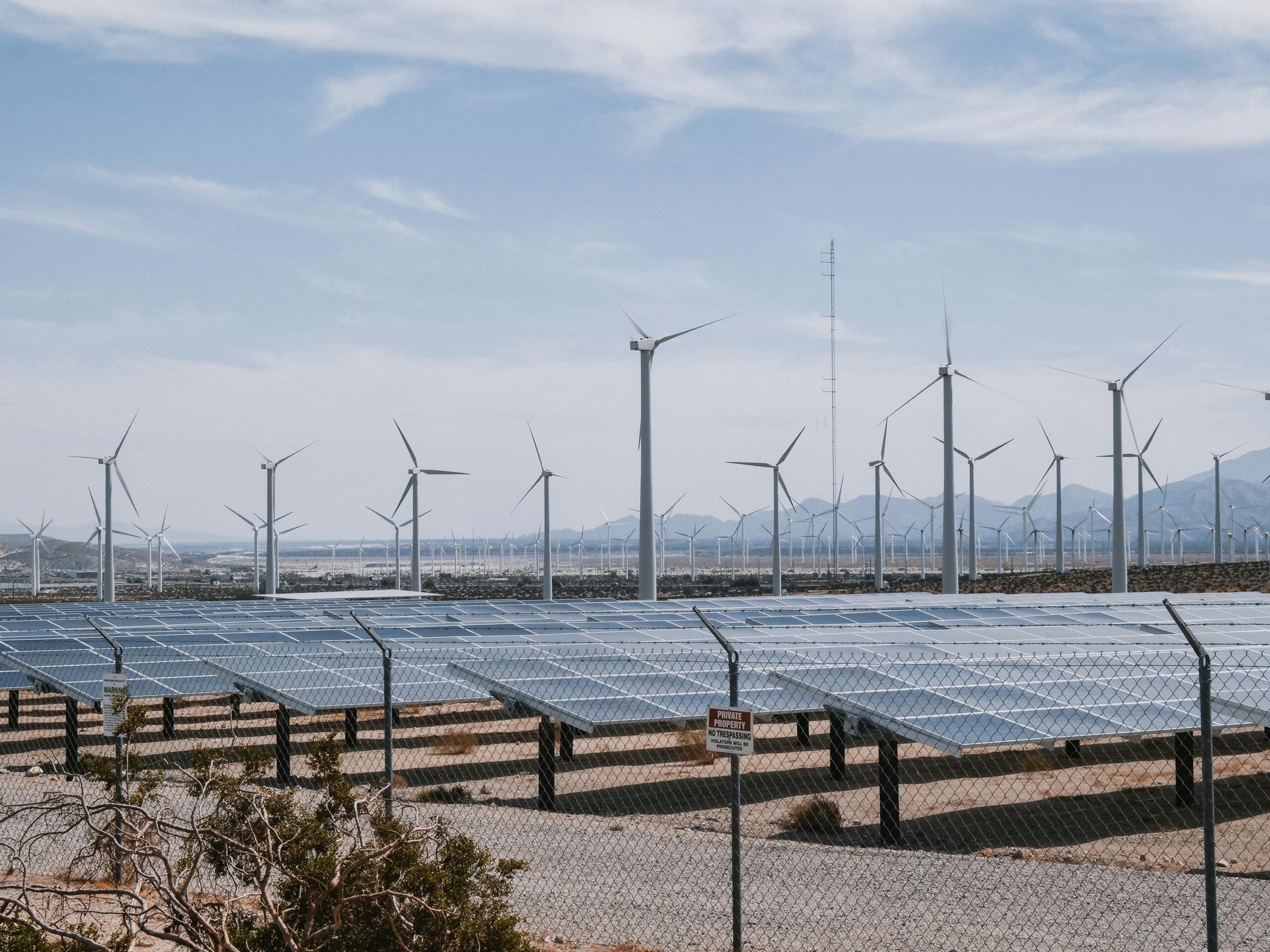
The true power of integrated energy systems emerges from the synergistic interactions between components. When solar, wind, storage, and smart grids work together, the combined system delivers capabilities that far exceed the sum of individual parts.
Consider a typical daily cycle in an integrated system. Morning solar production ramps up as the sun rises, meeting increasing demand as businesses open and industrial activity begins. Excess solar energy charges battery storage systems and manages other flexible loads. As evening approaches and solar output declines, wind generation often increases while batteries discharge stored energy to meet peak demand.
Smart grid algorithms orchestrate this complex dance, continuously balancing supply and demand while maintaining grid stability. When weather forecasts predict reduced renewable output, the system can adjust by pre-charging storage systems, scheduling demand response events, or coordinating with conventional backup generation if necessary.
Economic and Environmental Benefits
Integrated energy systems deliver substantial economic advantages through reduced fuel costs, improved asset utilization, and deferred infrastructure investments. By maximizing renewable energy usage and minimizing reliance on expensive peak power plants, these systems lower overall electricity costs while reducing price volatility.
Environmental benefits extend beyond simple carbon emissions reductions. Integrated systems minimize land use impacts by optimizing renewable installations, reduce water consumption compared to thermal power plants, and decrease air pollution that affects public health. These comprehensive environmental improvements contribute to broader sustainability goals and climate change mitigation efforts.
🏘️ Real-World Applications and Success Stories
Numerous regions worldwide have successfully implemented integrated energy systems, demonstrating their viability and benefits. South Australia’s combination of wind farms, solar installations, and the world’s largest lithium-ion battery has transformed its energy landscape, providing reliable power while achieving high renewable penetration levels.
Denmark generates more than 40% of its electricity from wind power, utilizing sophisticated grid management and international interconnections to balance variable output. The country’s integrated approach combines domestic renewable generation with flexible demand, storage, and cross-border electricity trading.
Island communities face unique energy challenges due to their isolation from continental grids, making them ideal testing grounds for integrated systems. Hawaii, Cyprus, and numerous Pacific islands have deployed comprehensive renewable energy solutions combining solar, wind, storage, and smart grid technologies to reduce dependence on expensive imported fossil fuels.
🚀 Emerging Technologies Shaping the Future
Innovation continues accelerating across all components of integrated energy systems. Next-generation solar cells using perovskite materials promise even higher efficiencies and lower manufacturing costs. Floating offshore wind platforms enable deployment in deeper waters with stronger, more consistent wind resources.
Battery technology evolution extends beyond lithium-ion, with solid-state batteries offering improved safety and energy density, while sodium-ion and other chemistries may provide lower costs for grid-scale applications. Long-duration energy storage technologies addressing seasonal variability are progressing from pilot projects toward commercial deployment.
Artificial intelligence and machine learning increasingly optimize integrated system performance, identifying patterns and opportunities invisible to conventional analysis. These advanced algorithms improve forecasting accuracy, enhance grid stability, and unlock new value streams from coordinated renewable and storage assets.
🔮 Overcoming Challenges and Building Resilience
Despite significant progress, integrated energy systems face meaningful challenges that require ongoing attention and innovation. Regulatory frameworks designed for centralized fossil fuel generation often struggle to accommodate distributed renewable resources and new business models. Policy reforms supporting integrated system development remain essential for accelerating deployment.
Cybersecurity concerns grow as energy systems become increasingly digitized and interconnected. Protecting critical infrastructure from malicious actors requires robust security protocols, continuous monitoring, and coordinated response capabilities across the energy sector.
Grid infrastructure investments are necessary to support higher renewable penetration levels and facilitate integration. Transmission and distribution system upgrades enable power flow from optimal renewable resource locations to demand centers while accommodating bidirectional flows from distributed generation.
Building Workforce Capacity
The transition to integrated energy systems creates substantial employment opportunities while requiring new skills and expertise. Educational programs and training initiatives must prepare workers for careers in renewable energy installation, grid operations, data analytics, and system integration. This workforce development supports both the energy transition and economic growth.
🌟 The Path Forward: Accelerating Integration
Accelerating integrated energy system deployment requires coordinated action across technology development, policy reform, and market design. Continued research and development investments will drive down costs and improve performance across solar, wind, storage, and grid technologies.
Market mechanisms must evolve to properly value the flexibility, resilience, and environmental benefits that integrated systems provide. Capacity markets, ancillary service payments, and carbon pricing can create economic incentives aligned with system benefits, encouraging optimal investment and operation.
International collaboration facilitates knowledge sharing, technology transfer, and coordinated action on climate change. Cross-border electricity interconnections enable larger geographic balancing of renewable resources, while shared research initiatives accelerate innovation and reduce development costs.
The transformation toward integrated energy systems powered by solar, wind, storage, and smart grids represents more than technological change—it embodies a fundamental reimagining of how we generate, distribute, and consume energy. This transition creates opportunities for enhanced energy security, economic development, environmental protection, and improved quality of life for communities worldwide. By continuing to invest in these technologies and supporting policies that enable their integration, we can power our future sustainably and seamlessly for generations to come.