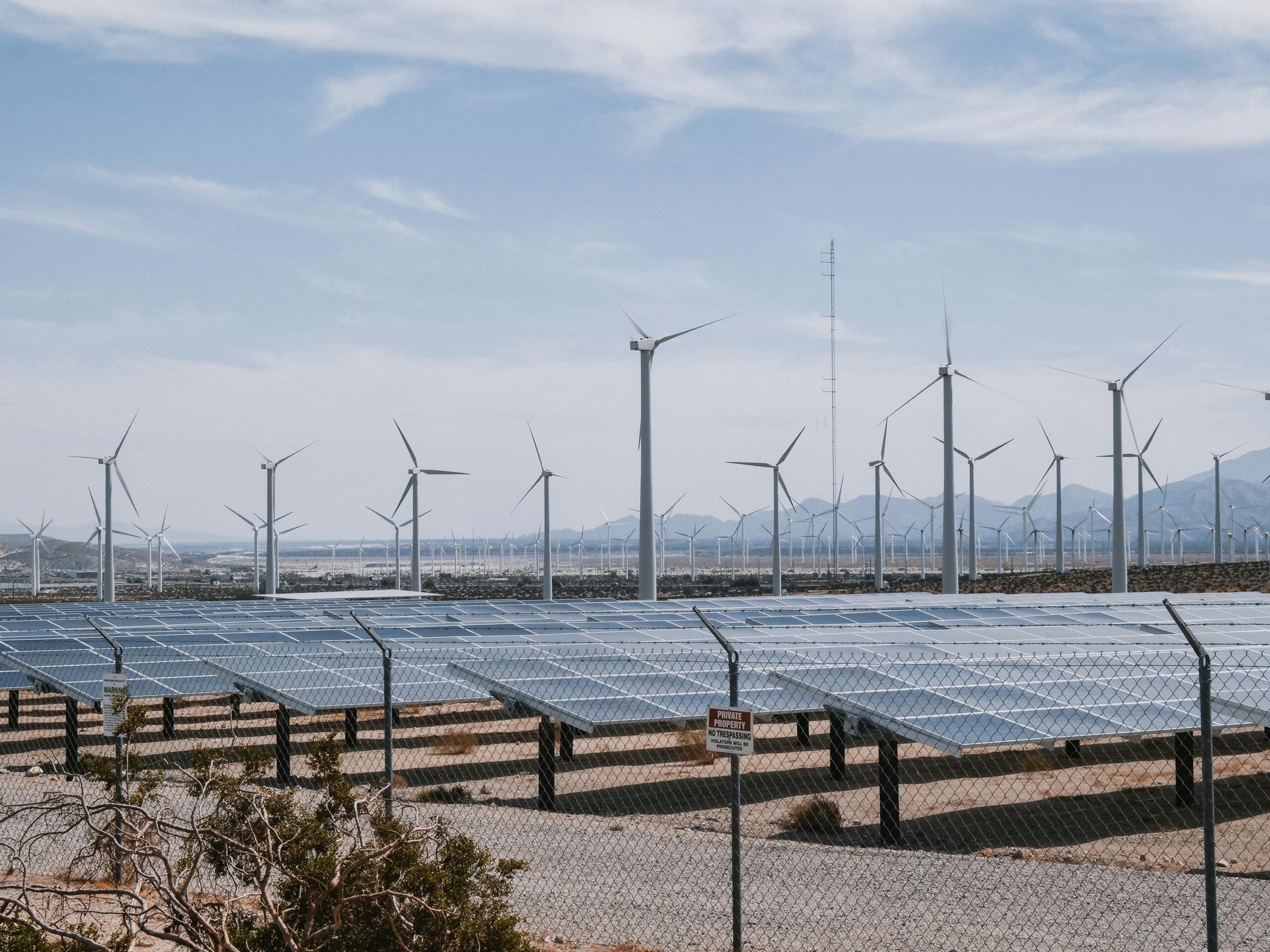
Climate change represents one of the most pressing challenges of our time, demanding innovative approaches that leverage cutting-edge technology. Big data integration emerges as a powerful catalyst for understanding complex environmental patterns and developing actionable sustainable solutions.

The convergence of massive datasets from satellites, sensors, weather stations, and human activity creates unprecedented opportunities to decode climate mysteries. By harnessing advanced analytics and machine learning algorithms, researchers and policymakers can now access transformative insights that were previously impossible to obtain, enabling more effective strategies to combat environmental degradation and build resilient communities for future generations.
🌍 The Climate Data Revolution: Understanding Our Planetary Systems
The sheer volume of climate-related data generated daily has grown exponentially over the past decade. Satellite imagery, ocean buoys, atmospheric sensors, and IoT devices continuously collect information about temperature fluctuations, precipitation patterns, ice sheet movements, and carbon emissions. This data deluge presents both challenges and opportunities for environmental scientists.
Traditional methods of climate analysis struggled to process information at the scale and speed required for real-time decision-making. Big data integration technologies now enable organizations to consolidate disparate datasets from multiple sources, creating comprehensive environmental profiles that reveal interconnections previously hidden in isolated silos of information.
The integration process involves harmonizing data formats, reconciling different measurement standards, and applying sophisticated algorithms to identify meaningful correlations across diverse datasets. This holistic approach transforms raw environmental data into actionable intelligence that drives sustainable innovation across industries and governmental policies.
Breaking Down Data Silos for Enhanced Climate Intelligence
One of the primary obstacles in climate research has been the fragmentation of data across various institutions, agencies, and countries. Meteorological departments, environmental agencies, research institutions, and private companies each maintain separate databases with limited interoperability. Big data integration platforms address this challenge by creating unified frameworks that allow seamless data exchange and collaborative analysis.
Cloud-based integration solutions enable researchers worldwide to access standardized climate datasets without geographical or institutional barriers. This democratization of climate information accelerates scientific discovery and ensures that developing nations can participate meaningfully in global sustainability efforts despite limited local infrastructure.
Advanced Application Programming Interfaces (APIs) and data lakes facilitate the continuous flow of information between systems, ensuring that climate models incorporate the most current observations. Real-time integration capabilities allow for dynamic updating of predictions as new data becomes available, significantly improving forecast accuracy and early warning systems for extreme weather events.
Key Technologies Powering Climate Data Integration
Several technological innovations underpin effective big data integration for climate applications. Machine learning algorithms excel at pattern recognition within massive datasets, identifying subtle trends that human analysts might overlook. Neural networks can process satellite imagery to detect deforestation, urban sprawl, or changes in agricultural land use with remarkable precision.
Distributed computing frameworks enable parallel processing of petabytes of climate data across thousands of servers, reducing analysis time from months to hours. This computational power makes it feasible to run complex climate simulations that account for countless variables and their interactions across different temporal and spatial scales.
Blockchain technology is emerging as a solution for ensuring data integrity and transparency in climate monitoring systems. By creating immutable records of environmental measurements, blockchain helps verify carbon credits, track supply chain emissions, and build trust in climate reporting mechanisms that are essential for international cooperation.
🔬 Transformative Insights from Integrated Climate Data
When diverse climate datasets converge through sophisticated integration platforms, they reveal insights that transform our understanding of Earth systems. Researchers have discovered unexpected connections between ocean temperatures, atmospheric circulation patterns, and regional precipitation events that improve seasonal forecasting accuracy by significant margins.
Integrated data analysis has exposed the cascading effects of Arctic ice melt on global weather patterns, demonstrating how changes in one region ripple through interconnected climate systems. These revelations inform more accurate climate models that help communities prepare for shifting agricultural zones, changing water availability, and increased frequency of extreme weather events.
The combination of historical climate records with real-time sensor data enables predictive analytics that anticipate tipping points in ecosystems before irreversible damage occurs. Early warning systems based on integrated data have saved countless lives by providing advance notice of hurricanes, floods, and droughts with unprecedented lead times.
Precision Agriculture and Food Security Solutions
Big data integration has revolutionized agricultural practices by combining soil moisture sensors, weather forecasts, satellite imagery, and historical yield data. Farmers now access precise recommendations about planting schedules, irrigation timing, and fertilizer application that optimize productivity while minimizing environmental impact.
Integrated climate data helps agricultural planners identify crop varieties best suited to projected future conditions in specific regions. This proactive approach to food security ensures that cultivation practices evolve alongside changing climate patterns, maintaining productivity even as traditional growing regions shift geographically.
Supply chain optimization powered by integrated data reduces food waste by improving logistics and storage decisions based on predicted weather conditions. These efficiencies contribute to lower greenhouse gas emissions while ensuring stable food supplies for growing populations.
🏙️ Smart Cities Leveraging Climate Intelligence
Urban centers account for a substantial portion of global carbon emissions, making them critical focal points for sustainability initiatives. Smart city platforms integrate climate data with urban infrastructure systems to optimize energy consumption, reduce waste, and enhance resilience against environmental challenges.
Traffic management systems informed by weather data and air quality measurements adjust signal timing and route suggestions to minimize congestion and pollution. Building automation platforms integrate temperature forecasts and solar radiation data to optimize heating and cooling systems, reducing energy consumption without compromising comfort.
Urban planners use integrated climate projections to design infrastructure that withstands future conditions. Stormwater systems account for predicted increases in extreme precipitation, while green space allocation considers the cooling effects needed to offset urban heat island effects in a warming world.
Energy Grid Optimization Through Data Integration
Renewable energy sources like solar and wind depend heavily on weather conditions, creating challenges for grid stability. Big data integration platforms combine weather forecasts, energy demand predictions, and generation capacity data to optimize power distribution in real-time.
Predictive models anticipate renewable energy production hours or days in advance, allowing grid operators to coordinate with conventional power sources and energy storage systems. This intelligent orchestration maximizes renewable energy utilization while maintaining reliable electricity supply regardless of weather variability.
Integrated data analytics identify optimal locations for new renewable installations by analyzing historical climate patterns, land availability, grid connectivity, and projected future conditions. These strategic placement decisions maximize return on investment while accelerating the transition to clean energy sources.
Ocean Health Monitoring and Marine Conservation
Marine ecosystems face mounting pressures from warming waters, acidification, overfishing, and pollution. Big data integration brings together oceanographic measurements, satellite observations, fishing activity tracking, and biological surveys to create comprehensive pictures of ocean health.
Integrated monitoring systems detect coral bleaching events in their early stages, enabling rapid response efforts that can save reef ecosystems. By combining water temperature data with historical bleaching patterns and coral resilience factors, conservationists prioritize intervention efforts where they will have the greatest impact.
Fisheries management benefits from integrated data that tracks fish populations, ocean conditions, and fishing pressure simultaneously. Dynamic fishing quotas adjust based on real-time population assessments, ensuring sustainable harvest levels that prevent stock collapse while supporting fishing communities.
💡 Driving Policy and Corporate Sustainability Strategies
Governments and businesses increasingly rely on integrated climate data to inform sustainability commitments and regulatory frameworks. Evidence-based policymaking supported by comprehensive data analysis produces more effective environmental regulations that balance ecological protection with economic development.
Corporate sustainability reporting has evolved from voluntary gestures to mandatory disclosure requirements in many jurisdictions. Big data integration platforms help companies accurately measure their environmental footprint across complex global supply chains, identifying opportunities for emissions reduction and resource efficiency improvements.
Investment decisions increasingly factor in climate risk assessments powered by integrated data analytics. Financial institutions evaluate portfolio exposure to physical climate risks like flooding and heat waves, as well as transition risks associated with shifting regulations and consumer preferences toward sustainable alternatives.
Carbon Accounting and Emissions Reduction
Accurate carbon accounting requires integrating data from energy consumption, transportation activities, industrial processes, and land use changes. Automated monitoring systems continuously track emissions across organizational boundaries, providing transparency that builds stakeholder confidence in climate commitments.
Integrated data platforms identify the most cost-effective emissions reduction opportunities by analyzing abatement costs across different activities and technologies. This optimization approach ensures that limited resources focus on interventions delivering maximum environmental benefit per dollar invested.
Verification systems combining satellite observations with ground-based measurements validate corporate and national emissions reports, creating accountability mechanisms essential for international climate agreements. Transparent, data-driven verification builds trust among nations working toward collective climate goals.
🚀 Emerging Frontiers in Climate Data Integration
Artificial intelligence continues advancing the frontiers of what’s possible with integrated climate data. Generative AI models create synthetic climate scenarios that help planners explore potential futures and test adaptation strategies without waiting decades to observe actual outcomes. These simulations accelerate learning and strategy development for unprecedented climate conditions.
Edge computing brings data processing capabilities directly to sensors and devices in remote locations, enabling real-time analysis without constant connectivity to central servers. This distributed intelligence approach proves particularly valuable for climate monitoring in developing regions with limited internet infrastructure.
Digital twin technology creates virtual replicas of entire ecosystems, cities, or industrial facilities that incorporate continuous streams of real-world data. These dynamic models allow stakeholders to test interventions virtually before implementing them physically, reducing risks and optimizing outcomes for sustainability initiatives.
Citizen Science and Community-Based Monitoring
Mobile applications empower ordinary citizens to contribute to climate data collection through crowdsourced observations of local conditions. Smartphone cameras document seasonal changes in vegetation, while simple sensors measure air quality or water parameters. When integrated with professional monitoring networks, these community contributions significantly enhance spatial coverage and temporal resolution of environmental datasets.
Educational platforms use integrated climate data to engage students in authentic scientific inquiry, fostering environmental literacy and inspiring the next generation of sustainability leaders. Interactive visualizations make complex climate patterns accessible to non-experts, democratizing understanding of environmental challenges and solutions.
Community resilience planning benefits from hyperlocal climate data that reflects neighborhood-specific vulnerabilities and adaptation needs. Residents participate in identifying priority concerns and evaluating potential solutions using data visualizations that communicate risks and opportunities in understandable terms.
Overcoming Challenges in Climate Data Integration
Despite tremendous potential, significant challenges remain in fully realizing the benefits of integrated climate data. Data quality varies considerably across sources, requiring sophisticated validation and cleaning processes before integration. Missing values, measurement errors, and inconsistent methodologies must be addressed to ensure reliable analytical results.
Privacy concerns arise when integrating datasets that include information about individual behaviors, locations, or activities. Balancing the public benefit of comprehensive climate intelligence with individual privacy rights requires careful governance frameworks and technical safeguards like data anonymization and differential privacy techniques.
Institutional barriers including competing organizational priorities, funding constraints, and resistance to data sharing slow the pace of integration efforts. Building collaborative frameworks that align incentives and establish clear data governance structures remains essential for unlocking the full value of dispersed climate information.
🌱 Building Capacity for Data-Driven Climate Action
Realizing the transformative potential of big data integration requires investing in human capacity alongside technological infrastructure. Training programs must equip environmental professionals with data science skills including statistical analysis, programming, and machine learning. Cross-disciplinary education that bridges climate science and information technology produces professionals capable of translating between domains.
Developing nations need targeted support to build data infrastructure and analytical capabilities that enable meaningful participation in global climate data initiatives. Technology transfer, capacity building partnerships, and open-source tools help level the playing field so that climate insights inform action everywhere, not just in wealthy countries with advanced technological capabilities.
Public awareness campaigns help citizens understand how integrated climate data drives sustainability solutions that benefit communities. Transparent communication about data sources, analytical methods, and uncertainty ranges builds public trust in data-driven climate recommendations and policies.

The Path Forward: Collaborative Climate Intelligence
The future of climate action depends on our collective ability to harness integrated data for transformative insights and sustainable solutions. No single organization, nation, or sector possesses all the necessary data or analytical capabilities alone. Progress requires unprecedented collaboration across traditional boundaries, guided by shared commitment to planetary health and human wellbeing.
Open data initiatives that make climate information freely accessible accelerate innovation by enabling diverse actors to develop novel applications and insights. Standardized data formats and interoperability protocols reduce friction in integration processes, allowing analysts to focus on generating insights rather than wrestling with technical compatibility issues.
Continuous technological innovation will expand the possibilities for climate data integration, but ultimately human wisdom must guide how we apply these powerful tools. Ethical frameworks ensuring that data-driven climate solutions promote justice, equity, and inclusion alongside environmental sustainability will determine whether we successfully navigate the climate challenge ahead.
The power of big data integration to unlock transformative climate insights and drive sustainable solutions is clear. From precision agriculture to smart cities, from ocean conservation to corporate sustainability strategies, integrated data analytics enables more effective action across every dimension of the climate challenge. By breaking down data silos, investing in capacity building, and fostering collaborative approaches, we can harness this power to create a more sustainable and resilient future for all.