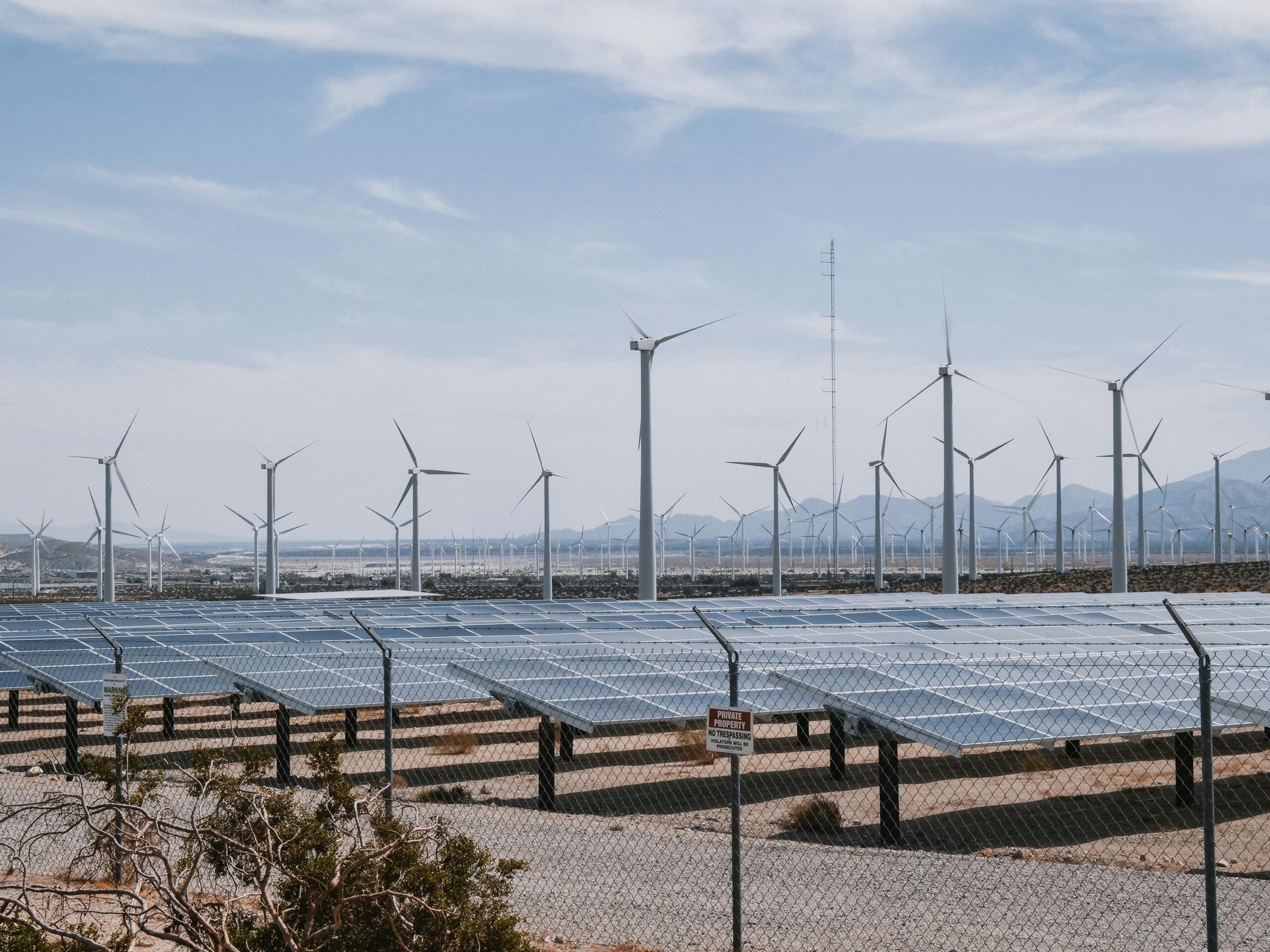
The intersection of environmental data and ethical responsibility has never been more critical. As organizations collect vast amounts of ecological information, the need for robust ethical frameworks becomes paramount to ensure these insights drive genuine positive change.

Environmental data collection has exploded in recent years, from satellite imagery tracking deforestation to IoT sensors monitoring air quality in urban centers. This wealth of information promises to revolutionize how we understand and protect our planet, yet it also raises profound questions about privacy, accuracy, accessibility, and the potential for misuse that demands our immediate attention.
🌍 The Rising Tide of Environmental Data Collection
Today’s environmental monitoring systems generate unprecedented volumes of data. Satellite constellations circle the globe, capturing high-resolution images of every ecosystem. Ground-based sensors measure everything from soil moisture to particulate matter in the atmosphere. Citizen scientists contribute observations through mobile applications, creating crowdsourced datasets that complement professional research.
This data explosion serves multiple purposes. Governments use it to track compliance with environmental regulations. Corporations leverage it to demonstrate sustainability commitments. Researchers analyze patterns to predict climate trends and ecosystem changes. Yet with this tremendous power comes equally significant responsibility.
The challenge lies not just in collecting data, but in ensuring that collection methods, analysis techniques, and application of insights align with ethical principles. Without proper frameworks, environmental data can be manipulated to greenwash harmful practices, invade privacy, or exclude vulnerable communities from decision-making processes.
Understanding the Ethical Dimensions of Green Data
Environmental data ethics encompasses several interconnected dimensions. First, there’s the question of data ownership and access. Who owns the information collected from public lands or shared ecosystems? Should indigenous communities have special rights to data gathered from their ancestral territories?
Privacy concerns emerge particularly around location-based environmental monitoring. When sensors track pollution sources, they may inadvertently reveal patterns about individual behavior or community activities. Agricultural monitoring can expose farming practices that landowners consider proprietary information.
Transparency and Accountability Standards
Transparency in methodology represents another critical ethical consideration. How data is collected, processed, and interpreted significantly impacts the conclusions drawn. Black-box algorithms that analyze environmental data without revealing their decision-making processes undermine trust and accountability.
Organizations must document their data collection protocols, sensor calibration methods, and analytical approaches. This transparency allows peer review, identifies potential biases, and enables stakeholders to understand limitations in the data. Without it, environmental insights become assertions rather than evidence-based conclusions.
Building Blocks of Ethical Environmental Data Frameworks
Constructing effective ethical frameworks requires addressing multiple components simultaneously. These frameworks must be comprehensive yet flexible enough to adapt as technology and environmental challenges evolve.
Consent and Community Engagement
Meaningful consent goes beyond simple notification. Communities affected by environmental monitoring deserve genuine participation in decisions about what data is collected, how it’s used, and who has access. This participatory approach recognizes that local knowledge complements scientific data and that those most impacted by environmental issues should have voice in the conversation.
Engagement processes should be designed to accommodate diverse stakeholders, including those with limited technical literacy or language barriers. Visual representations, community workshops, and culturally appropriate communication methods help ensure inclusive participation.
Data Quality and Accuracy Commitments
Ethical frameworks must prioritize data quality. Inaccurate environmental data can lead to misguided policies, wasted resources, and continued environmental degradation. Organizations should implement rigorous quality control measures including:
- Regular sensor calibration and maintenance protocols
- Cross-validation with multiple data sources
- Clear documentation of measurement uncertainties
- Transparent reporting of data gaps or limitations
- Independent audits of data collection processes
Quality commitments also mean acknowledging when data is insufficient to support certain conclusions. Ethical practitioners resist pressure to overstate certainty or extrapolate beyond what the evidence supports.
⚖️ Balancing Open Access with Security Concerns
The open data movement advocates making environmental information freely available to maximize its societal benefit. Public access enables independent verification, supports environmental justice efforts, and democratizes knowledge about ecological conditions.
However, unlimited access creates risks. Detailed spatial data about endangered species locations could enable poaching. Information about pollution sources might be used for competitive espionage rather than environmental improvement. Infrastructure vulnerability data could pose security threats.
Tiered Access Approaches
Many organizations adopt tiered access models that balance openness with protection. Summary statistics and aggregated data might be fully public, while high-resolution or sensitive information requires verified credentials and legitimate purpose documentation.
These systems work best when access criteria are clearly defined, consistently applied, and regularly reviewed. The goal is preventing harmful use while avoiding unnecessary gatekeeping that limits beneficial applications.
Algorithmic Justice in Environmental Analytics
Artificial intelligence and machine learning increasingly drive environmental data analysis. These algorithms can identify patterns invisible to human observers and process information at unprecedented scales. Yet they also embed the biases present in their training data and design choices.
Environmental algorithms might systematically underestimate pollution in low-income neighborhoods if training data comes primarily from wealthier areas with better monitoring infrastructure. Predictive models for climate impacts could overlook vulnerable populations if historical data doesn’t adequately represent their circumstances.
Auditing for Algorithmic Bias
Ethical frameworks should mandate regular bias audits for algorithms used in environmental decision-making. These audits examine whether algorithms produce systematically different results across demographic groups, geographic regions, or ecosystem types in ways that can’t be explained by legitimate environmental factors.
When biases are identified, organizations must decide whether to adjust algorithms, collect additional training data, or acknowledge limitations in how results are presented. Transparency about these processes builds trust and enables stakeholders to interpret findings appropriately.
Corporate Environmental Data Responsibility
Private sector entities collect enormous amounts of environmental data through their operations and sustainability initiatives. Tech companies operate data centers whose energy use significantly impacts local environments. Agricultural corporations monitor soil conditions across millions of acres. Supply chain platforms track the environmental footprint of global commerce.
Corporate environmental data ethics involves questions about competitive information, investor disclosure obligations, and public accountability. Companies naturally want to protect proprietary information, yet they also face growing pressure to demonstrate environmental commitments with verifiable data.
Standardized Reporting Frameworks
Industry-wide standards help navigate these tensions. Frameworks like the Task Force on Climate-related Financial Disclosures (TCFD) and the Science Based Targets initiative (SBTi) provide structured approaches to environmental data reporting that balance transparency with business concerns.
These standards work best when they specify not just what data to report, but how it should be collected and verified. Third-party auditing adds credibility and helps prevent greenwashing while respecting legitimate confidentiality needs.
🌱 Indigenous Knowledge and Data Sovereignty
Indigenous communities possess generations of environmental knowledge gathered through intimate relationships with specific ecosystems. This traditional ecological knowledge offers invaluable insights that complement scientific monitoring, yet it has often been extracted without proper recognition or benefit-sharing.
Data sovereignty principles assert that indigenous peoples should control data about their territories, cultural practices, and traditional knowledge. This includes decisions about what information is shared, how it’s used, and how benefits from its application are distributed.
Integrating Multiple Knowledge Systems
Ethical frameworks should create space for multiple knowledge systems to coexist and inform environmental decision-making. This requires protocols that respect different epistemologies while seeking complementary insights.
Successful integration involves partnership approaches where indigenous communities are research collaborators rather than data sources. These partnerships recognize indigenous peoples’ expertise, provide appropriate compensation, and ensure that resulting insights serve community priorities.
Environmental Justice and Data Equity
Environmental data reveals stark disparities in pollution exposure, green space access, and climate vulnerability. Low-income communities and communities of color consistently face greater environmental burdens, patterns clearly documented through comprehensive monitoring.
Yet these same communities often lack resources to collect their own environmental data or participate meaningfully in data-driven decision processes. This creates a justice gap where affected populations depend on others to document their environmental conditions.
Capacity Building Initiatives
Ethical frameworks should include commitments to building environmental data capacity in underserved communities. This involves providing access to monitoring equipment, training in data collection and interpretation, and support for community-led environmental assessment projects.
Mobile technology enables new possibilities for democratizing environmental monitoring. Applications that turn smartphones into air quality sensors or water testing devices reduce equipment barriers, though they must be designed with diverse users in mind.
🔐 Data Security and Long-term Stewardship
Environmental data often gains value over time as long-term trends become apparent. Climate patterns, species population changes, and ecosystem shifts require decades of consistent monitoring to understand fully.
This temporal dimension creates stewardship obligations. Organizations collecting environmental data must plan for its preservation and accessibility far beyond typical business planning horizons. What happens to valuable environmental datasets when companies dissolve or agencies reorganize?
Institutional Preservation Strategies
Responsible data stewardship involves partnerships with institutions committed to long-term preservation. Academic repositories, government archives, and specialized environmental data centers provide infrastructure for maintaining datasets across generations.
Preservation strategies must address both technical challenges of format obsolescence and institutional challenges of sustained funding. Ethical frameworks should specify preservation commitments and identify responsible parties before data collection begins.
Implementing Ethical Frameworks: Practical Steps
Translating ethical principles into operational practice requires concrete implementation strategies. Organizations should begin by conducting ethics audits of their current environmental data practices, identifying gaps between stated values and actual procedures.
Establishing ethics committees with diverse representation helps ensure multiple perspectives inform policy decisions. These committees should include technical experts, community representatives, ethicists, and individuals with lived experience of environmental injustice.
Training and Cultural Integration
Everyone involved in environmental data work needs ethics training tailored to their role. Data collectors should understand consent protocols and privacy protections. Analysts need awareness of algorithmic bias. Communicators must recognize how data presentation choices influence interpretation.
Beyond training, ethics must become embedded in organizational culture. Regular discussions about ethical dilemmas, recognition for ethical excellence, and accountability for ethical lapses signal that values are genuine priorities rather than public relations rhetoric.
The Path Forward: Adaptive Ethical Governance
Environmental challenges and data technologies evolve rapidly. Ethical frameworks cannot be static documents filed away after initial development. They require ongoing refinement based on experience, stakeholder feedback, and changing conditions.
Adaptive governance approaches build in regular review cycles, mechanisms for stakeholder input, and processes for updating policies as needed. They balance stability and consistency with flexibility and responsiveness.
International collaboration strengthens ethical frameworks by sharing lessons learned across contexts and building consensus around core principles. While specific implementations may vary by jurisdiction and culture, common ethical commitments can guide global environmental data practices.
💡 Measuring Impact and Accountability
Ethical frameworks need accountability mechanisms to ensure they drive actual change rather than serving as window dressing. Organizations should establish metrics for assessing their ethical performance in environmental data practices.
These metrics might track the diversity of stakeholders engaged in data governance decisions, the percentage of datasets with complete metadata documentation, or the results of bias audits on analytical algorithms. Regular reporting on these metrics, ideally with independent verification, demonstrates genuine commitment.
When ethical breaches occur, robust response protocols matter as much as prevention efforts. Clear procedures for reporting concerns, investigating problems, and implementing corrective actions show that accountability is real.

Realizing the Promise of Responsible Environmental Insights
Environmental data holds extraordinary potential to guide humanity toward sustainable coexistence with the natural world. It can reveal hidden pollution sources, predict ecosystem tipping points, and demonstrate the effectiveness of conservation interventions. These insights can inform better policies, shift corporate behavior, and empower communities to advocate for environmental justice.
Realizing this potential requires unwavering commitment to ethical principles. Data collected without consent, analyzed with biased algorithms, or hoarded for competitive advantage undermines trust and limits environmental data’s societal value. Conversely, data gathered transparently, analyzed rigorously, and shared equitably becomes a powerful force for positive change.
Building ethical frameworks for environmental data is not a one-time project but an ongoing journey. It demands collaboration across disciplines, sectors, and communities. It requires humility about the limitations of data and respect for diverse ways of knowing. It necessitates balancing competing values and navigating complex trade-offs.
The stakes could not be higher. Environmental challenges threaten ecosystems and communities worldwide, with impacts falling most heavily on those least responsible for creating the problems. Ethical environmental data practices can help redirect resources toward those most affected, hold polluters accountable, and guide evidence-based responses to ecological crises.
As we navigate this green data revolution, the frameworks we build today will shape environmental outcomes for generations. By prioritizing justice, transparency, accuracy, and respect for all knowledge systems, we can ensure that environmental insights serve the planet and all its inhabitants rather than narrow interests. The future of both data science and environmental stewardship depends on getting these ethical foundations right.