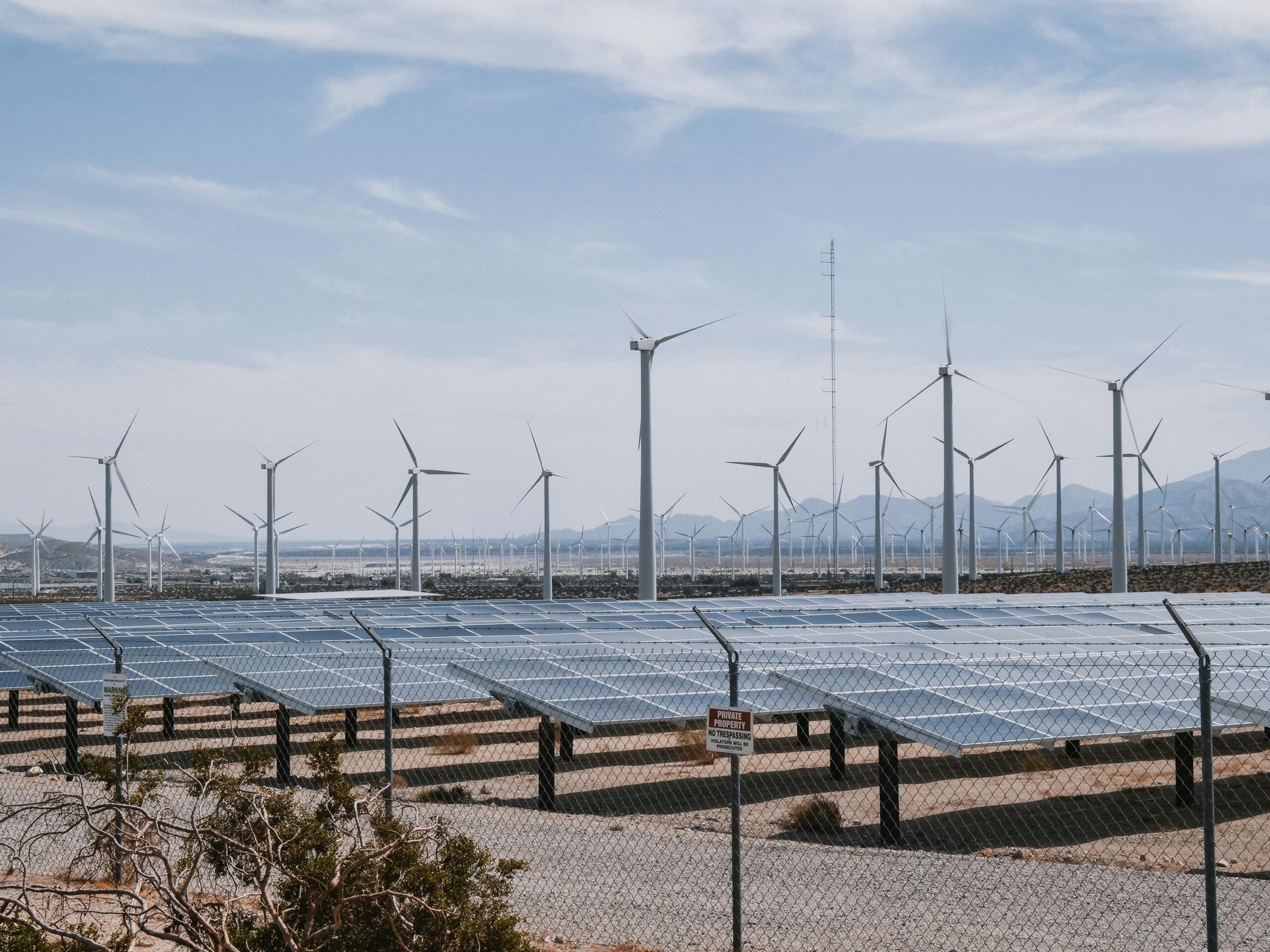
Climate change is no longer a distant threat—it’s a present reality reshaping our world. The intersection of climate data analytics and artificial intelligence is emerging as humanity’s most powerful toolkit for building a sustainable future.

Our planet generates massive amounts of environmental data every second, from satellite observations to ocean sensors. Harnessing this information through advanced AI ecosystems offers unprecedented opportunities to predict, mitigate, and adapt to climate challenges while transforming how we approach environmental stewardship.
🌍 The Data Revolution in Climate Science
Climate science has undergone a remarkable transformation over the past decade. Where researchers once relied on limited weather stations and periodic measurements, today’s environmental monitoring systems generate petabytes of data daily. Satellites orbit Earth continuously, capturing atmospheric conditions, ice sheet movements, deforestation patterns, and ocean temperature fluctuations with extraordinary precision.
This data explosion presents both opportunities and challenges. Traditional analytical methods simply cannot process the volume, velocity, and variety of information now available. Machine learning algorithms and artificial intelligence have become essential tools for extracting meaningful insights from this digital ocean of climate information.
The quality and granularity of climate data have improved exponentially. Modern sensors can detect minute changes in greenhouse gas concentrations, track individual storm systems across continents, and monitor vegetation health at the level of individual fields. This precision enables scientists and policymakers to make more informed decisions about climate action.
Artificial Intelligence as Climate’s Crystal Ball 🔮
Predictive modeling represents one of AI’s most valuable contributions to climate science. Traditional climate models, while sophisticated, often struggle with regional specificity and short-term accuracy. Machine learning algorithms can identify complex patterns in historical data that humans might miss, leading to more accurate forecasts.
Deep learning neural networks excel at recognizing non-linear relationships in climate systems. These algorithms can predict extreme weather events days or weeks in advance, providing communities with critical time to prepare. From hurricane trajectories to drought conditions, AI-enhanced predictions are saving lives and reducing economic losses.
Weather forecasting has achieved remarkable accuracy improvements through AI integration. European and American meteorological services now employ machine learning models that outperform traditional physics-based forecasts for certain time ranges. These hybrid systems combine the strengths of both approaches, delivering unprecedented accuracy.
Real-Time Climate Monitoring and Response
The speed of AI-driven analysis enables real-time environmental monitoring at scales previously impossible. Forest fire detection systems using satellite imagery and machine learning can identify potential blazes within minutes of ignition, alerting authorities before small fires become catastrophic infernos.
Marine ecosystems benefit from AI-powered monitoring networks that track ocean acidification, temperature anomalies, and biodiversity changes. These systems provide early warnings about coral bleaching events, harmful algal blooms, and fishery collapses, allowing for rapid intervention strategies.
🏭 Decarbonization Through Data Intelligence
Industries contribute significantly to global emissions, but data analytics is helping businesses reduce their carbon footprints dramatically. AI-powered energy management systems optimize power consumption in manufacturing facilities, reducing waste and costs simultaneously. These platforms analyze production schedules, equipment performance, and energy pricing to minimize emissions.
Supply chain optimization represents another frontier where AI makes substantial environmental impacts. Logistics companies use machine learning algorithms to plan routes that minimize fuel consumption while maintaining delivery efficiency. The cumulative effect of millions of optimized trips substantially reduces transportation-related emissions.
Smart grid technologies leverage predictive analytics to balance renewable energy supply with demand fluctuations. AI systems forecast solar and wind power generation hours or days ahead, enabling grid operators to integrate clean energy sources more effectively while maintaining stability.
Carbon Accounting and Transparency
Accurate carbon accounting has historically been challenging, but AI-driven platforms are bringing unprecedented transparency to emissions tracking. These systems aggregate data from multiple sources—energy bills, transportation logs, supply chain information—to calculate comprehensive carbon footprints for organizations.
Blockchain integration with climate data analytics creates immutable records of environmental performance, enabling verifiable sustainability claims. This transparency helps combat greenwashing while rewarding genuinely sustainable businesses with consumer trust and investment.
Agriculture’s AI-Powered Transformation 🌾
Food production accounts for roughly one-quarter of global greenhouse gas emissions, making agricultural transformation essential for climate goals. Precision agriculture, powered by data analytics and AI, is revolutionizing farming practices worldwide.
Satellite imagery combined with machine learning algorithms enables farmers to monitor crop health, soil moisture, and nutrient levels with field-specific precision. This granular information allows for targeted interventions—applying water, fertilizers, or pesticides only where and when needed, dramatically reducing environmental impacts.
Predictive models help farmers anticipate pest outbreaks, disease pressures, and optimal planting windows based on climate forecasts. These insights reduce crop failures, minimize chemical usage, and improve yields, contributing to food security while lowering agriculture’s environmental footprint.
Regenerative Agriculture and Carbon Sequestration
AI systems are identifying optimal practices for regenerative agriculture that captures atmospheric carbon in soils. Machine learning models analyze soil samples, crop rotation patterns, and climate conditions to recommend farming approaches that build soil health while sequestering carbon.
Remote sensing technologies monitor carbon sequestration rates across agricultural landscapes, providing verifiable data for carbon credit programs. This creates economic incentives for farmers to adopt climate-positive practices, aligning environmental and financial interests.
🏙️ Building Climate-Resilient Cities
Urban areas house more than half the global population and face acute climate risks. AI-driven urban planning tools help cities design infrastructure that withstands climate impacts while reducing emissions. These platforms simulate flood risks, heat island effects, and storm surge vulnerabilities under various climate scenarios.
Smart city technologies integrate thousands of sensors monitoring air quality, traffic flow, energy consumption, and waste management. AI algorithms process this data to optimize city operations, reducing emissions while improving quality of life for residents.
Building management systems enhanced by machine learning dramatically improve energy efficiency in commercial and residential structures. These platforms learn occupancy patterns and adjust heating, cooling, and lighting automatically, cutting energy waste by 20-40% in many applications.
Transportation Networks and Mobility Solutions
Urban transportation contributes significantly to emissions and air pollution. AI-optimized traffic management reduces congestion, lowering fuel consumption and emissions. Predictive models anticipate traffic patterns and adjust signal timing dynamically, keeping vehicles moving efficiently.
Electric vehicle charging infrastructure benefits from AI systems that balance grid loads, predict charging demand, and optimize charging schedules to use renewable energy when available. These intelligent networks make EV adoption more practical and sustainable.
Biodiversity Conservation Through Technology 🦁
Species extinction rates have accelerated dramatically, but AI-powered conservation tools are helping protect vulnerable ecosystems. Computer vision algorithms analyze camera trap images, identifying individual animals and tracking population dynamics across vast territories without human bias or fatigue.
Acoustic monitoring systems use machine learning to identify species by their calls, creating comprehensive biodiversity inventories in rainforests, oceans, and other complex ecosystems. This automated monitoring provides early warnings about ecosystem health deterioration.
Anti-poaching efforts have gained powerful allies in AI systems that predict poaching hotspots based on historical patterns, seasonal factors, and environmental conditions. Conservation organizations deploy limited ranger resources more effectively, protecting endangered species more successfully.
💧 Water Resource Management in a Changing Climate
Water scarcity affects billions globally, and climate change intensifies this challenge. AI-driven hydrological models predict water availability under changing precipitation patterns, enabling better planning for agriculture, urban water supplies, and ecosystem needs.
Leak detection systems using machine learning identify pipeline failures in water distribution networks, preventing massive waste. Some cities lose 30-50% of treated water to leaks; AI systems help utilities reduce these losses dramatically.
Irrigation optimization platforms combine weather forecasts, soil sensors, and crop water requirements to deliver precise amounts of water exactly when needed. This precision reduces agricultural water consumption substantially while maintaining or improving yields.
🔬 Accelerating Climate Science Research
AI is accelerating climate research itself, helping scientists process vast datasets and test hypotheses faster than ever. Machine learning algorithms identify patterns in ice core data, ocean currents, and atmospheric chemistry that reveal how Earth’s climate system functions.
Climate model resolution has improved thanks to AI techniques that downscale global projections to regional and local levels. This specificity helps communities understand their particular climate risks and plan appropriate adaptations.
Scientific literature analysis powered by natural language processing helps researchers stay current with rapidly expanding climate knowledge. AI systems can synthesize findings across thousands of papers, identifying consensus views and knowledge gaps.
Challenges and Ethical Considerations ⚖️
Despite tremendous potential, AI-driven climate solutions face significant challenges. The energy consumption of training large AI models raises concerns about net climate benefits. Researchers are developing more efficient algorithms and using renewable energy to power AI infrastructure, but vigilance remains essential.
Data quality and accessibility present ongoing obstacles. Many regions, particularly in developing nations, lack comprehensive environmental monitoring infrastructure. This data gap can lead to AI systems that work well for wealthy regions but fail elsewhere, potentially exacerbating climate injustice.
Privacy concerns arise when detailed environmental monitoring intersects with human activities. Smart city sensors and agricultural monitoring systems must balance climate benefits with individual privacy rights, requiring thoughtful governance frameworks.
Ensuring Equitable Access to Climate Intelligence
Climate data analytics and AI tools risk remaining accessible primarily to wealthy nations and corporations. Democratizing access to these technologies is crucial for global climate action. Open-source platforms, capacity building programs, and technology transfer initiatives help ensure developing nations can leverage AI for climate adaptation.
International cooperation on data sharing enhances AI effectiveness while building trust. Climate change respects no borders; neither should climate data and analytical capabilities that help humanity respond collectively.
🚀 The Path Forward: Integration and Innovation
The future of climate action depends on integrating AI ecosystems across sectors and scales. Isolated applications deliver value, but interconnected systems create synergies that multiply impacts. A farmer’s precision irrigation decisions, informed by weather AI, reduce water extraction from rivers, benefiting downstream ecosystems monitored by biodiversity algorithms.
Continued innovation in AI architectures promises even more powerful climate tools. Quantum computing may soon tackle climate modeling complexities beyond current capabilities. Edge computing brings AI processing to remote sensors, enabling real-time analysis where connectivity is limited.
Human expertise remains irreplaceable despite AI advances. The most effective climate solutions emerge when AI augments human judgment rather than replacing it. Scientists, policymakers, and communities must interpret AI insights within local contexts, cultural values, and social priorities.

Catalyzing Global Climate Action 🌐
Climate data analytics and AI ecosystems are not silver bullets, but they are indispensable tools for navigating our climate crisis. These technologies enable faster, smarter, more targeted interventions across every sector of human activity. From predicting storms to optimizing renewable energy, from protecting forests to designing resilient cities, AI-driven insights are shaping a more sustainable tomorrow.
The transformation requires sustained investment in data infrastructure, AI research, and capacity building worldwide. It demands governance frameworks that ensure ethical deployment and equitable access. Most importantly, it needs human commitment to act on the insights these powerful tools provide.
Our climate future depends not on technology alone, but on our collective will to harness these innovations for planetary wellbeing. The data is clear, the algorithms are ready, and the opportunity is now. By embracing the transformative power of climate data analytics and AI ecosystems, we can build the sustainable future our planet desperately needs and our children rightfully deserve.