The climate crisis demands urgent action, and the intersection of innovation and finance has emerged as a powerful catalyst for change. As global temperatures rise and environmental challenges intensify, the world is turning to groundbreaking technologies and sustainable investment strategies to forge a path toward a resilient, low-carbon future.

Green finance and climate innovation are no longer optional considerations for governments, businesses, and investors—they represent fundamental pillars of economic transformation. The transition to a sustainable economy requires unprecedented collaboration, creativity, and capital deployment across all sectors of society. Understanding how these elements work together is essential for anyone committed to building a sustainable tomorrow.
🌍 The Climate Challenge: Understanding the Urgency
Climate change poses an existential threat to humanity, with scientific consensus pointing to human activities as the primary driver. The Intergovernmental Panel on Climate Change (IPCC) warns that without immediate and substantial reductions in greenhouse gas emissions, the world faces catastrophic consequences including extreme weather events, rising sea levels, and ecosystem collapse.
Global carbon dioxide emissions reached record levels in recent years, despite growing awareness and international commitments. The gap between current policies and the emissions reductions needed to limit warming to 1.5°C remains significant. This reality underscores the critical importance of accelerating both technological innovation and financial mobilization.
Traditional approaches to environmental protection have proven insufficient. What’s needed is a systemic transformation of how we produce and consume energy, manufacture goods, grow food, and design our cities. This transformation requires massive investment—estimated at trillions of dollars annually—alongside breakthrough innovations that can scale rapidly across global markets.
💡 Climate Innovation: Technologies Reshaping Our Future
Climate innovation encompasses a broad spectrum of technologies and approaches designed to reduce emissions, enhance resilience, and restore ecosystems. These innovations are emerging from research laboratories, startup incubators, and corporate R&D centers worldwide, offering hope that technological progress can help solve the climate crisis.
Renewable Energy Revolution
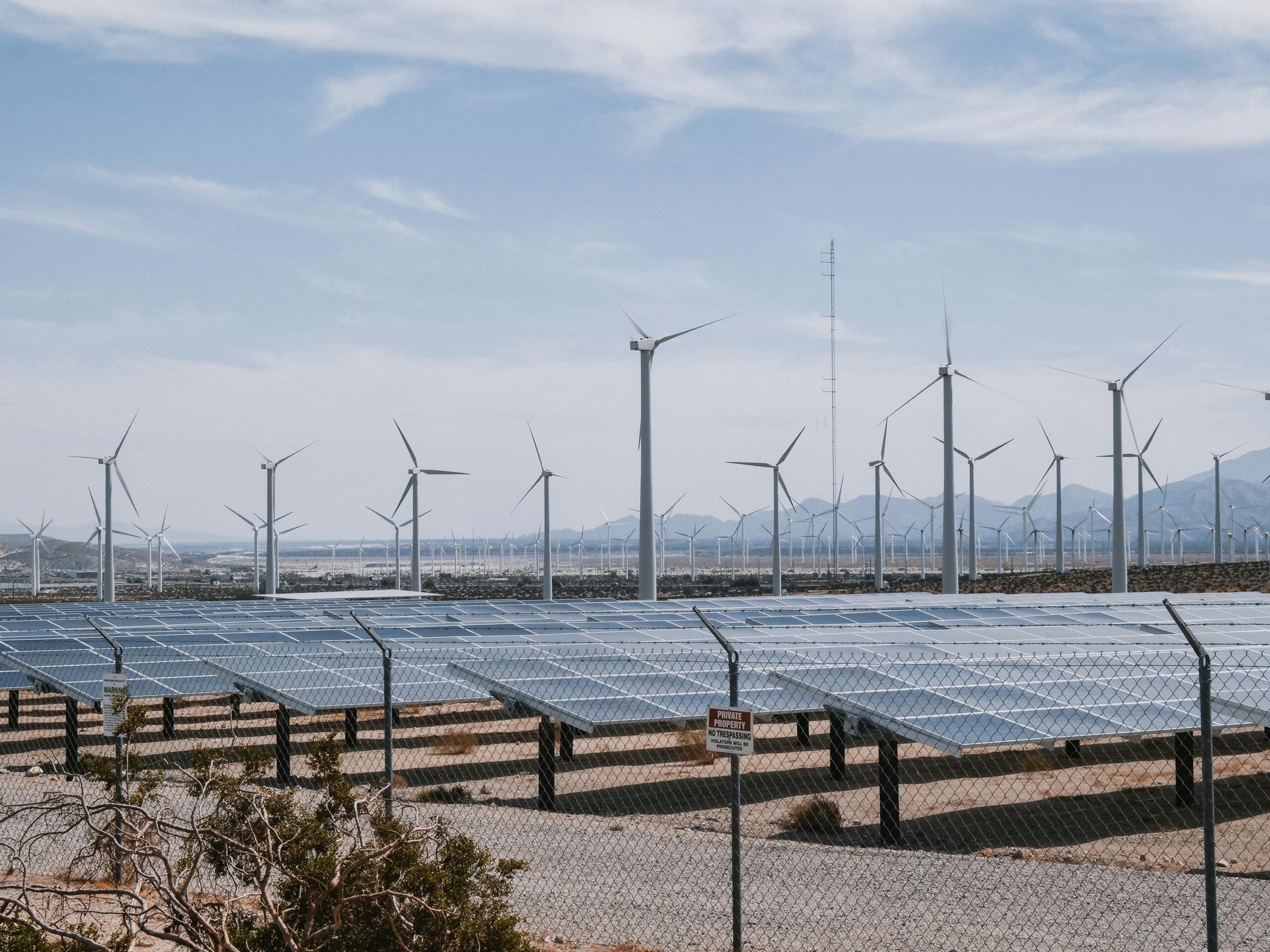
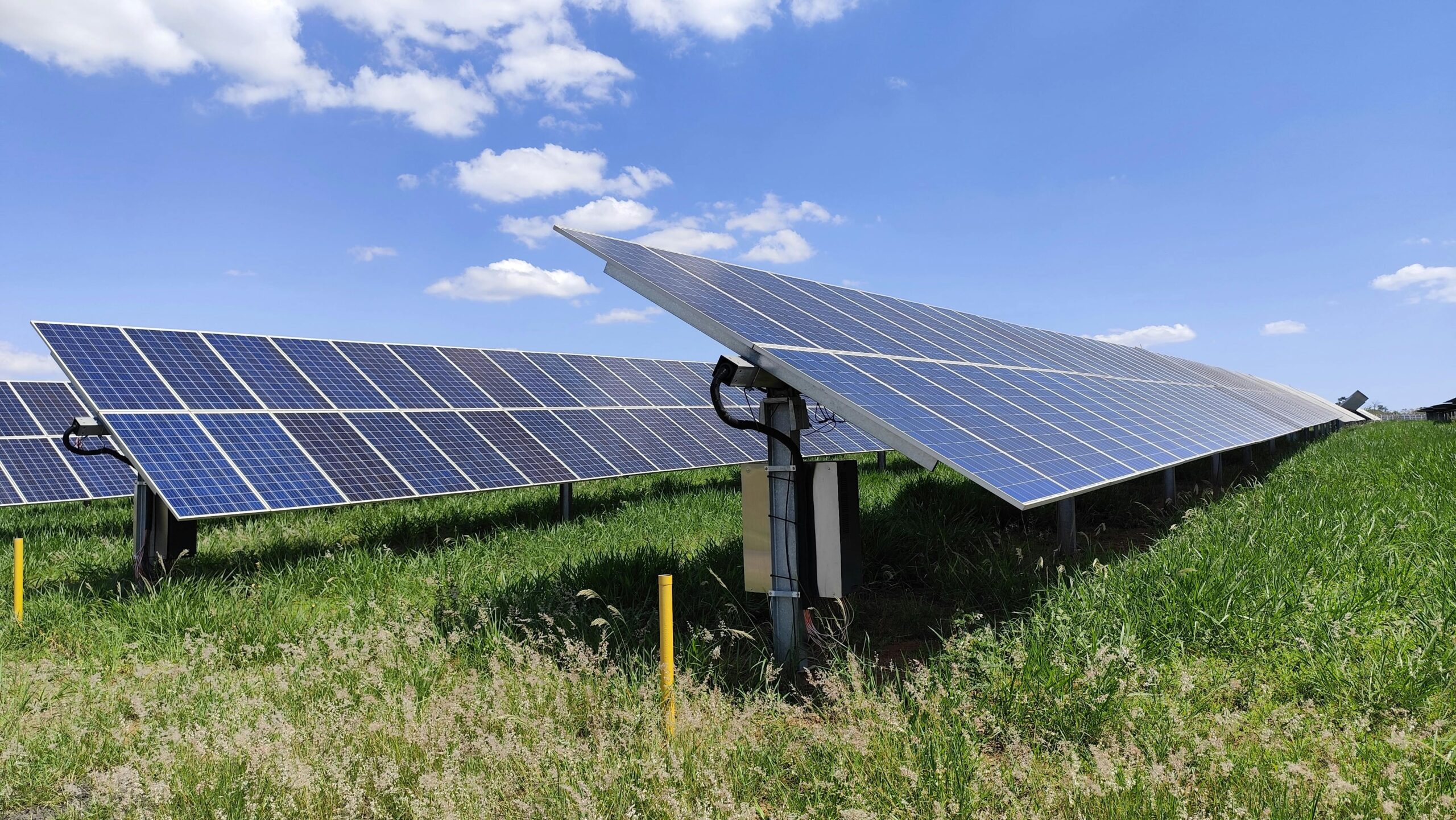
Solar and wind power have experienced remarkable cost reductions over the past decade, making them competitive with or cheaper than fossil fuels in many markets. Photovoltaic efficiency continues to improve while manufacturing costs decline, enabling solar energy to expand into new applications and geographies. Wind technology, both onshore and offshore, has similarly advanced with larger turbines and sophisticated control systems that maximize energy capture.
Beyond solar and wind, emerging renewable technologies promise to diversify the clean energy portfolio. Green hydrogen produced from renewable electricity offers a pathway to decarbonize heavy industry and transportation sectors that are difficult to electrify. Geothermal energy innovations are unlocking heat resources in previously inaccessible locations, while advanced hydropower and tidal energy systems harness water’s power with minimal environmental impact.
Energy Storage and Grid Modernization
The intermittent nature of renewable energy requires sophisticated storage solutions. Lithium-ion batteries have dominated the market, but new technologies are emerging to address different use cases and timescales. Flow batteries, compressed air energy storage, and thermal storage systems offer alternatives for longer-duration storage needs.
Smart grids equipped with artificial intelligence and Internet of Things sensors enable real-time optimization of energy distribution. These systems balance supply and demand dynamically, integrate distributed energy resources, and enhance grid resilience against disruptions. Digital technologies are transforming electricity networks from passive distribution systems into intelligent platforms that facilitate the transition to clean energy.
Carbon Capture and Nature-Based Solutions
Direct air capture technology removes carbon dioxide directly from the atmosphere, offering a tool to address legacy emissions. While still expensive and energy-intensive, ongoing research aims to improve efficiency and reduce costs. Carbon capture and storage systems attached to industrial facilities prevent emissions from entering the atmosphere in the first place.
Nature-based solutions leverage ecosystems’ inherent capacity to sequester carbon while delivering co-benefits for biodiversity and communities. Reforestation, wetland restoration, regenerative agriculture, and ocean conservation all contribute to climate mitigation while enhancing natural resilience. Innovation in monitoring, verification, and scaling of these approaches is making them increasingly viable components of comprehensive climate strategies.
💰 Green Finance: Channeling Capital Toward Sustainability
Transforming the global economy requires redirecting enormous financial flows from carbon-intensive activities toward sustainable alternatives. Green finance encompasses various instruments, strategies, and frameworks designed to mobilize and deploy capital for environmental benefit. The field has grown exponentially, evolving from niche ethical investing to a mainstream financial consideration.
Sustainable Investment Instruments
Green bonds have emerged as a flagship instrument for climate finance, enabling governments and corporations to raise capital specifically for environmental projects. The green bond market has grown from nearly nothing to hundreds of billions of dollars annually, with standardized frameworks helping ensure proceeds genuinely support sustainability goals.
Sustainability-linked loans tie interest rates to borrowers’ performance against environmental targets, creating financial incentives for corporate climate action. Social bonds, sustainability bonds, and transition bonds expand the toolkit available to finance different aspects of the transformation. Meanwhile, climate funds pool capital from multiple investors to support projects ranging from renewable energy installations to climate adaptation infrastructure in vulnerable communities.
ESG Integration and Impact Investing
Environmental, Social, and Governance (ESG) criteria have become standard considerations in investment analysis. Institutional investors increasingly recognize that climate risks represent financial risks, with physical impacts and policy transitions potentially affecting asset values across portfolios. ESG integration helps investors identify companies positioned to thrive in a low-carbon economy while avoiding those facing material climate-related risks.
Impact investing goes further, deliberately targeting investments that generate measurable environmental benefits alongside financial returns. This approach attracts capital from investors who want their money to contribute directly to solutions. The field has matured significantly, with improved metrics and reporting standards enabling better assessment of both financial performance and real-world impact.
Financial Regulation and Disclosure
Regulators worldwide are implementing frameworks to ensure financial institutions adequately assess and disclose climate risks. The Task Force on Climate-related Financial Disclosures (TCFD) provides recommendations that have been widely adopted, requiring companies to report on governance, strategy, risk management, and metrics related to climate change.
Central banks and financial supervisors increasingly view climate change as a systemic risk to financial stability. Stress testing, capital requirements, and prudential oversight are being adapted to account for climate scenarios. This regulatory evolution creates both obligations and opportunities for financial institutions, driving greater attention to sustainability throughout the financial system.
🤝 The Innovation-Finance Nexus: Creating Synergies
The most powerful climate solutions emerge when innovation and finance work in concert. Early-stage technologies need risk capital to develop and demonstrate viability, while scaled deployment requires access to much larger pools of investment. Creating effective pathways from laboratory to market to global deployment is essential for climate innovation to reach its potential.
Venture Capital and Climate Tech
Climate technology has become one of the fastest-growing segments of venture capital investment. Startups developing breakthrough solutions in energy, transportation, agriculture, and industry are attracting billions in funding from specialized climate funds and generalist investors alike. This capital enables experimentation, iteration, and scaling of innovations that could transform entire sectors.
Successful climate ventures require not just technological innovation but also business model innovation. Finding pathways to profitability while delivering environmental impact challenges entrepreneurs to think creatively about value creation. Investors provide not only capital but also strategic guidance, network connections, and credibility that help startups navigate complex markets and regulatory environments.
Corporate Innovation and Strategic Investment
Established corporations increasingly invest in climate innovation through internal R&D, corporate venture arms, and strategic partnerships with startups. These relationships provide startups with access to manufacturing capabilities, distribution channels, and customer relationships that accelerate scaling. Corporations benefit from exposure to disruptive technologies and business models that may reshape their industries.
Corporate sustainability commitments create demand for innovative solutions. When major companies pledge to reach net-zero emissions, they need technologies and services to achieve those goals. This demand signal attracts investment and entrepreneurial talent, creating a virtuous cycle where commitments drive innovation which enables more ambitious commitments.
🌱 Emerging Trends Shaping the Future
Several key trends are accelerating the convergence of climate innovation and green finance, creating new opportunities and challenges for stakeholders across the ecosystem.
Digital Technologies as Enablers
Artificial intelligence, blockchain, and advanced data analytics are transforming both climate innovation and sustainable finance. AI optimizes renewable energy systems, predicts climate impacts, and accelerates materials discovery. Blockchain enables transparent tracking of carbon credits and supply chain sustainability. Data platforms connect investors with climate projects while providing the monitoring and verification needed for credible impact assessment.
These digital tools reduce transaction costs, improve decision-making, and enable new business models. They make it easier to deploy capital efficiently, measure outcomes accurately, and scale solutions rapidly. The digitalization of climate action represents a meta-innovation that amplifies the impact of specific technologies and financial instruments.
Democratization of Climate Action
Technology and finance innovations are making climate action accessible to broader populations. Community solar programs enable renters to access clean energy benefits. Crowdfunding platforms allow individuals to invest in climate projects previously available only to institutional investors. Mobile applications help consumers track and reduce their carbon footprints while connecting them to sustainable products and services.
This democratization creates new sources of capital, expands markets for climate solutions, and builds political support for ambitious policies. When people have direct stakes in the clean energy transition—as workers, investors, or beneficiaries—they become advocates for continued progress.
Policy Innovation and Market Creation
Government policies create the frameworks within which climate innovation and finance operate. Carbon pricing mechanisms, renewable energy mandates, efficiency standards, and research funding all shape incentives for investment and innovation. Policy innovation is accelerating, with jurisdictions experimenting with approaches ranging from carbon border adjustments to circular economy regulations.
Public finance institutions play catalytic roles by accepting risks that private capital avoids, demonstrating project viability, and establishing standards that mainstream investors can follow. Development banks, export credit agencies, and national climate funds bridge gaps in the financing landscape, particularly for projects in emerging markets or for technologies that are proven but not yet cost-competitive.
🚀 Accelerating the Transition: Strategic Priorities
Unlocking the full potential of climate innovation and green finance requires focused effort across several strategic priorities. Stakeholders from government, business, finance, and civil society must work together to address barriers and scale solutions.
Reducing Risk and Cost of Capital
Many climate solutions face higher perceived risks and capital costs than conventional alternatives, particularly in emerging markets. De-risking instruments such as guarantees, first-loss capital, and insurance products can make projects more attractive to private investors. Standardization of contracts, performance data, and due diligence processes reduces transaction costs and enables portfolio approaches that diversify risk.
Building track records of successful projects demonstrates viability and establishes benchmarks for financial performance. As more data becomes available, investors gain confidence and their required returns decline, creating a positive feedback loop that accelerates deployment.
Strengthening Talent and Capacity
The climate transition requires specialized expertise spanning technology, finance, policy, and operations. Educational institutions, professional development programs, and on-the-job training must expand to build the workforce needed. Diversity of backgrounds and perspectives enhances innovation and ensures solutions serve all communities.
Knowledge sharing across geographies and sectors accelerates learning. International collaboration enables innovations developed in one context to be adapted and deployed elsewhere. Technical assistance programs help organizations in developing countries access and implement cutting-edge solutions while building local capacity for sustained progress.
Ensuring Justice and Inclusion
The climate transition must be equitable, ensuring that benefits are broadly shared and that vulnerable communities are not left behind. Just transition frameworks support workers and communities dependent on fossil fuel industries. Inclusive innovation processes incorporate diverse voices in technology development. Community ownership models enable local wealth building through clean energy projects.
Climate finance must reach those who need it most, including smallholder farmers, informal entrepreneurs, and communities facing severe climate impacts. Innovative delivery mechanisms such as mobile money, microfinance integration, and results-based financing can extend capital to previously underserved populations while maintaining financial sustainability.
🌟 Building Momentum for a Sustainable Tomorrow
The convergence of climate innovation and green finance represents humanity’s best hope for addressing the climate crisis while building prosperity. Technological breakthroughs are making clean alternatives increasingly attractive, while financial innovation mobilizes the capital needed for rapid scaling. Together, they create a powerful engine for transformation.
Success is not guaranteed, however. The pace of change must accelerate dramatically to meet the scale of the challenge. This requires sustained commitment from leaders across all sectors, willingness to take calculated risks, and collaboration across traditional boundaries. It demands both urgency and long-term thinking, recognizing that decisions made today shape possibilities for generations to come.
Every stakeholder has a role to play. Entrepreneurs develop breakthrough solutions. Investors allocate capital to support them. Policymakers create enabling environments. Consumers make choices that signal market demand. Together, these actions aggregate into systemic transformation. The sustainable tomorrow we seek will not arrive by accident—it must be deliberately built through countless decisions and actions aligned toward a common vision.
The climate challenge is daunting, but human ingenuity and cooperation have overcome seemingly impossible obstacles before. By powering the future through climate innovation and green finance, we can create an economy that works within planetary boundaries while delivering widely shared prosperity. The tools exist, the capital is mobilizing, and momentum is building. Now is the time to accelerate the transition and secure a sustainable tomorrow for all. 🌍✨