The world stands at a critical juncture where climate change poses unprecedented challenges to economies, societies, and ecosystems. Understanding the multifaceted risks—physical, transitional, and systemic—has become essential for building resilience and ensuring sustainable development.

As global temperatures continue to rise and extreme weather events intensify, organizations, governments, and individuals must navigate an increasingly complex landscape of climate-related uncertainties. The journey toward a resilient future demands comprehensive insights, strategic planning, and coordinated action across all sectors of society.
🌍 Understanding the Climate Risk Landscape
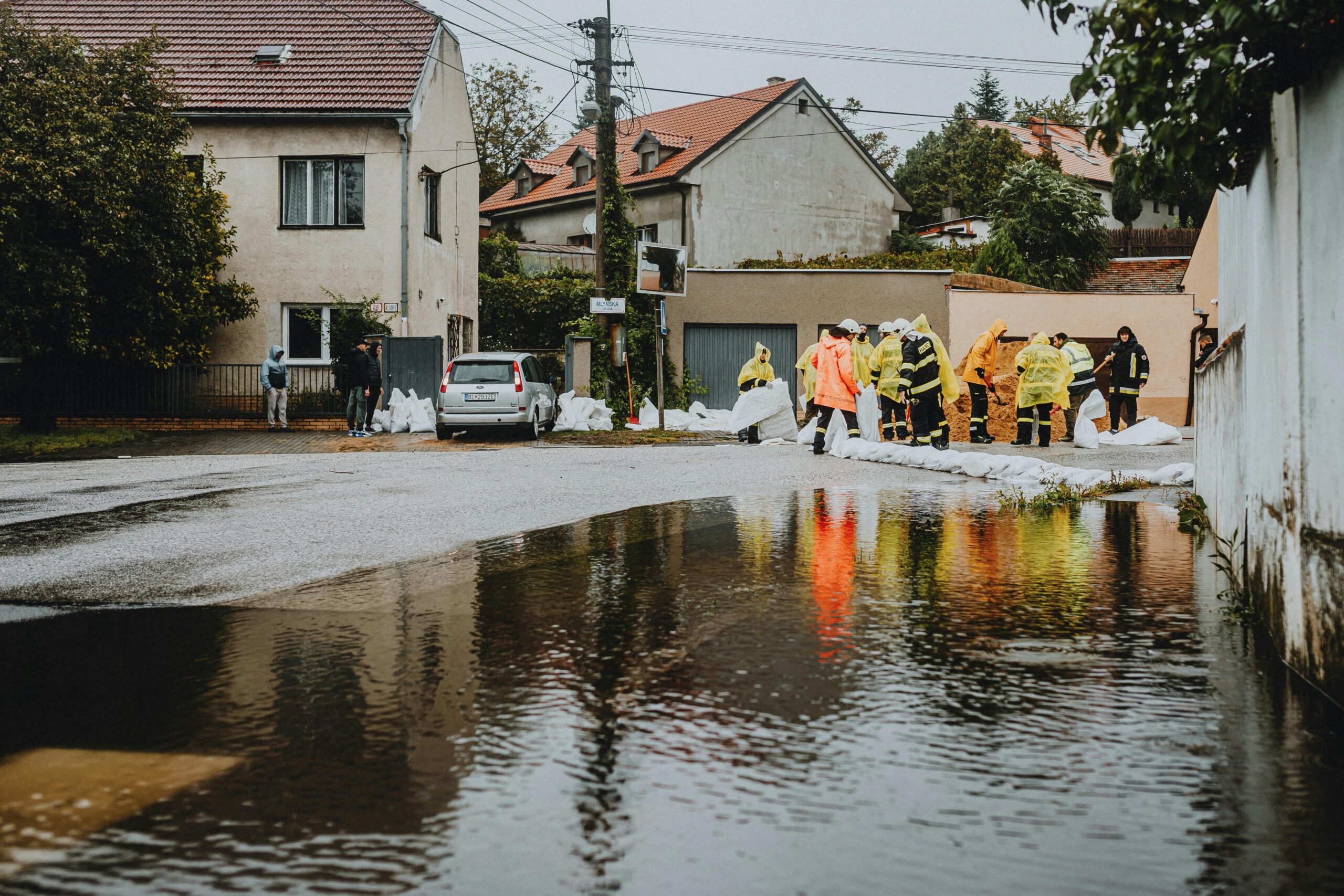
Climate risks manifest in diverse forms, each presenting unique challenges that require tailored responses. Physical risks stem directly from climate change impacts, including rising sea levels, intensified storms, droughts, and flooding. These tangible threats already affect infrastructure, agricultural productivity, and human settlements worldwide.
Transition risks emerge from the global shift toward a low-carbon economy. Policy changes, technological innovations, market shifts, and evolving consumer preferences create both opportunities and challenges for businesses and economies. Organizations unprepared for this transition face potential asset stranding, regulatory penalties, and competitive disadvantages.
Systemic risks represent the most complex category, arising from interconnections within financial systems, supply chains, and global markets. These risks can trigger cascading failures across sectors, amplifying initial climate impacts into widespread economic disruptions that transcend geographical and sectoral boundaries.
The Physical Frontier: Confronting Tangible Climate Impacts
Physical climate risks continue intensifying as atmospheric greenhouse gas concentrations reach unprecedented levels. Coastal communities face existential threats from sea-level rise, with projections suggesting significant inundation of populated areas by mid-century. Infrastructure designed for historical climate conditions proves increasingly inadequate for current and projected weather extremes.
Agricultural systems experience mounting pressure from shifting precipitation patterns, temperature extremes, and changing pest distributions. Food security concerns escalate as traditional farming regions become less productive while new areas face challenges adapting to agricultural demands. Water scarcity intensifies in many regions, creating competition between agricultural, industrial, and domestic uses.
Mapping Vulnerability and Exposure
Effective risk management begins with comprehensive vulnerability assessments. Organizations must evaluate their physical assets, supply chains, and operations against projected climate scenarios spanning multiple timeframes. Geographic information systems and climate modeling tools enable sophisticated analysis of location-specific risks.
Critical infrastructure sectors—energy, transportation, telecommunications, and water systems—require particular attention due to their foundational role in economic functioning. Aging infrastructure in many developed nations faces dual challenges of deterioration and climate adaptation needs, demanding significant investment and strategic prioritization.
🔄 Navigating the Transition: Opportunities and Challenges
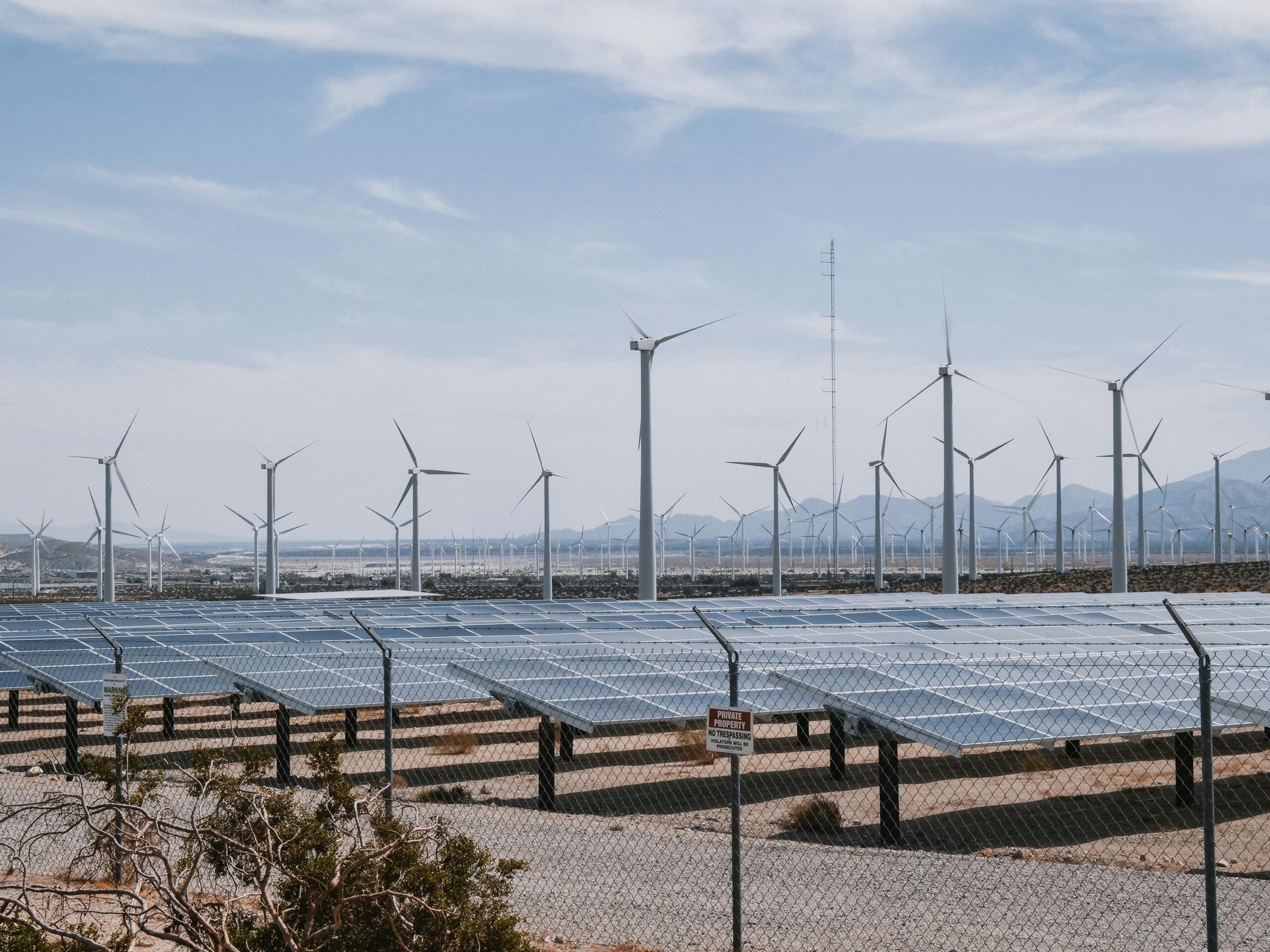
The global energy transition accelerates as renewable technologies achieve cost parity with fossil fuels in many markets. Solar and wind energy installations expand rapidly, supported by improving battery storage solutions and grid management technologies. This transformation reshapes energy markets, employment patterns, and geopolitical relationships.
Carbon pricing mechanisms gain traction worldwide, creating financial incentives for emissions reductions. Companies face growing pressure from investors, customers, and regulators to demonstrate credible decarbonization pathways. Those embracing this transition early often capture competitive advantages through innovation, enhanced reputation, and access to green financing.
Technology and Innovation as Enablers
Technological innovation plays a pivotal role in facilitating the low-carbon transition. Artificial intelligence and machine learning optimize energy systems, predict climate impacts, and enhance resource efficiency. Blockchain technologies enable transparent carbon accounting and renewable energy trading platforms.
Green hydrogen emerges as a promising solution for hard-to-abate sectors like heavy industry and long-distance transportation. Carbon capture and storage technologies advance, though questions remain about scalability and economics. Nature-based solutions gain recognition for their dual benefits of emissions reduction and ecosystem restoration.
Financial Implications: Redefining Value and Risk
The financial sector increasingly recognizes climate change as a material risk factor affecting asset valuations, credit ratings, and investment returns. Central banks and financial regulators incorporate climate considerations into supervisory frameworks, stress testing, and capital requirements. This regulatory evolution reflects growing awareness of climate-related financial stability threats.
Environmental, social, and governance (ESG) investing grows exponentially as investors seek to align portfolios with sustainability objectives. Climate-related financial disclosures become standard practice, guided by frameworks like the Task Force on Climate-related Financial Disclosures (TCFD). Asset managers develop sophisticated tools for assessing climate risks and opportunities across diverse portfolios.
Stranded Assets and Portfolio Rebalancing
The transition to a low-carbon economy threatens to strand significant fossil fuel reserves and related infrastructure. Coal plants, oil fields, and gas pipelines face premature obsolescence as policy shifts and market forces accelerate clean energy adoption. Financial institutions holding these assets confront potential write-downs and portfolio devaluation.
Proactive portfolio rebalancing becomes essential for managing transition risks. Institutional investors increasingly divest from high-carbon assets while increasing allocations to climate solutions, renewable energy, and sustainable infrastructure. This capital reallocation accelerates the transition while potentially creating temporary market volatility.
🔗 Systemic Risks: Understanding Interconnections and Cascades
Climate change operates as a systemic risk multiplier, exacerbating existing vulnerabilities and creating new interdependencies. Supply chain disruptions from extreme weather events ripple across global markets, revealing fragilities in just-in-time production systems. Financial contagion risks emerge as climate impacts affect multiple institutions simultaneously.
Food-water-energy nexus challenges intensify as climate change affects resource availability and competition. Regions dependent on hydropower face energy security concerns during droughts. Agricultural production requires water and energy inputs while contributing to emissions, creating complex optimization challenges.
Building Resilience Through Diversification
Systemic risk mitigation requires diversified approaches across geography, technology, and strategy. Organizations develop redundancy in critical systems, diversify supplier networks, and create adaptive capacity for rapid response to disruptions. Scenario planning helps identify potential failure points and develop contingency strategies.
International cooperation proves essential for addressing systemic climate risks that transcend national boundaries. Climate agreements, technology transfer initiatives, and financial support mechanisms enable coordinated global action. However, geopolitical tensions and competing national interests sometimes hinder collective progress.
🎯 Strategic Adaptation: Building Organizational Resilience
Forward-thinking organizations embed climate considerations into core strategy, governance, and operations. Board-level oversight of climate risks ensures accountability and strategic alignment. Risk management frameworks evolve to incorporate climate scenarios spanning multiple decades, challenging traditional planning horizons.
Climate adaptation strategies vary by sector and geography but share common elements. Infrastructure upgrades incorporate climate projections into design specifications. Agricultural operations adopt drought-resistant crops and water-efficient irrigation. Coastal developments implement enhanced flood protection and managed retreat strategies where appropriate.
Workforce Transformation and Skills Development
The climate transition creates significant workforce implications, displacing workers in declining industries while generating demand in emerging sectors. Just transition principles emphasize supporting affected workers through retraining programs, social protection, and community investment. Skills in renewable energy, energy efficiency, and climate adaptation experience growing demand.
Educational institutions adapt curricula to prepare students for a climate-constrained world. Climate literacy becomes essential across professions, from engineers designing resilient infrastructure to financial analysts assessing climate risks. Interdisciplinary approaches gain importance as climate solutions require integration across traditional boundaries.
Data-Driven Decision Making in Climate Risk Management
Advanced climate modeling and data analytics enhance risk assessment capabilities. High-resolution climate projections enable location-specific analysis of physical risks. Satellite imagery and remote sensing technologies monitor environmental changes in real-time, supporting early warning systems and adaptive management.
Big data analytics identify patterns and correlations invisible to traditional analysis methods. Machine learning algorithms process vast datasets to predict climate impacts, optimize resource allocation, and evaluate intervention effectiveness. However, data quality, availability, and interpretation challenges persist, particularly in developing regions.
Transparency and Disclosure Frameworks
Standardized climate disclosure frameworks enable comparability and accountability. The TCFD recommendations provide structure for reporting climate-related financial risks across governance, strategy, risk management, and metrics. Science-based targets initiative helps organizations align emissions reduction goals with climate science.
Mandatory climate disclosures expand globally, with jurisdictions including the European Union, United Kingdom, and others implementing requirements. Greenwashing concerns drive demand for robust verification and assurance processes. Third-party rating agencies and certification schemes proliferate, though standardization challenges remain.
🌱 Nature-Based Solutions: Integrating Ecosystems into Climate Strategy
Ecosystem restoration and conservation offer cost-effective climate solutions with multiple co-benefits. Forests, wetlands, and coastal ecosystems sequester carbon while providing flood protection, water filtration, and biodiversity habitat. Nature-based solutions receive growing investment as recognition of their value increases.
Urban green infrastructure addresses climate adaptation and mitigation simultaneously. Green roofs reduce building energy demand and stormwater runoff. Urban forests moderate temperatures, improve air quality, and enhance community well-being. These interventions demonstrate how climate action can improve quality of life while building resilience.
Policy and Governance: Creating Enabling Environments
Effective climate governance requires coherent policy frameworks spanning multiple levels from local to international. Carbon pricing, renewable energy mandates, efficiency standards, and green procurement policies create market signals supporting the transition. However, policy stability and long-term commitment prove essential for mobilizing private investment.
Multilevel governance approaches recognize that climate action occurs across scales. Cities pioneer innovative solutions while national governments set frameworks and international agreements establish global goals. Vertical integration among governance levels enhances policy effectiveness and resource mobilization.
Stakeholder Engagement and Social License
Inclusive stakeholder engagement builds social license for climate action and ensures equitable outcomes. Community participation in planning processes incorporates local knowledge and addresses distributional impacts. Indigenous peoples contribute traditional ecological knowledge valuable for adaptation strategies.
Corporate stakeholder engagement expands beyond shareholders to include employees, customers, suppliers, and communities. Materiality assessments identify priority climate issues for different stakeholder groups. Transparent communication about climate strategies, progress, and challenges builds trust and accountability.

🚀 Charting the Path Forward: Integration and Action
Successfully navigating the climate frontier requires integrating physical, transition, and systemic risk considerations into decision-making processes. Siloed approaches prove insufficient for addressing interconnected challenges. Cross-functional collaboration within organizations and partnerships across sectors enhance effectiveness.
The urgency of climate action intensifies as atmospheric carbon concentrations continue rising and impacts accelerate. The window for limiting warming to relatively safe levels narrows, demanding rapid scaling of solutions. However, the technological, financial, and institutional tools for transformation exist and continue improving.
Resilience emerges not from eliminating all climate risks but from building adaptive capacity to manage unavoidable changes. Flexibility, diversity, and learning capabilities enable systems to absorb shocks and reorganize productively. Investment in resilience generates returns through avoided damages, maintained functionality, and captured opportunities.
Individual actions aggregate into collective impact when aligned with systemic changes. Consumer choices, investment decisions, and civic engagement influence markets, policies, and social norms. Climate literacy empowers informed participation in shaping the transition toward sustainability.
The climate frontier presents profound challenges but also unprecedented opportunities for innovation, collaboration, and transformation. Organizations and societies that successfully navigate this terrain will thrive in the emerging low-carbon economy while contributing to a more sustainable and equitable world. The journey requires courage, commitment, and continuous adaptation, but the destination—a resilient, prosperous future within planetary boundaries—justifies the effort required to reach it.