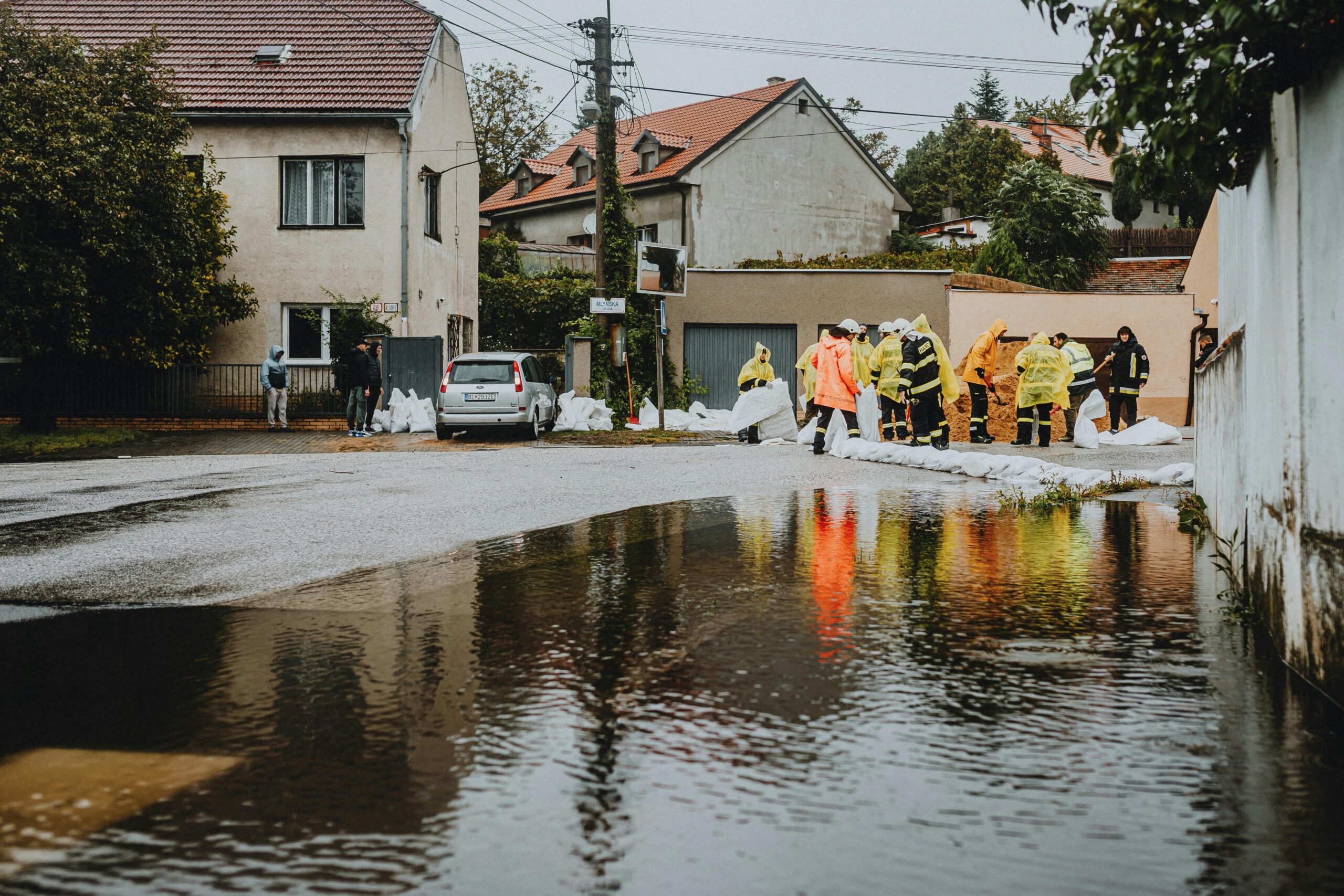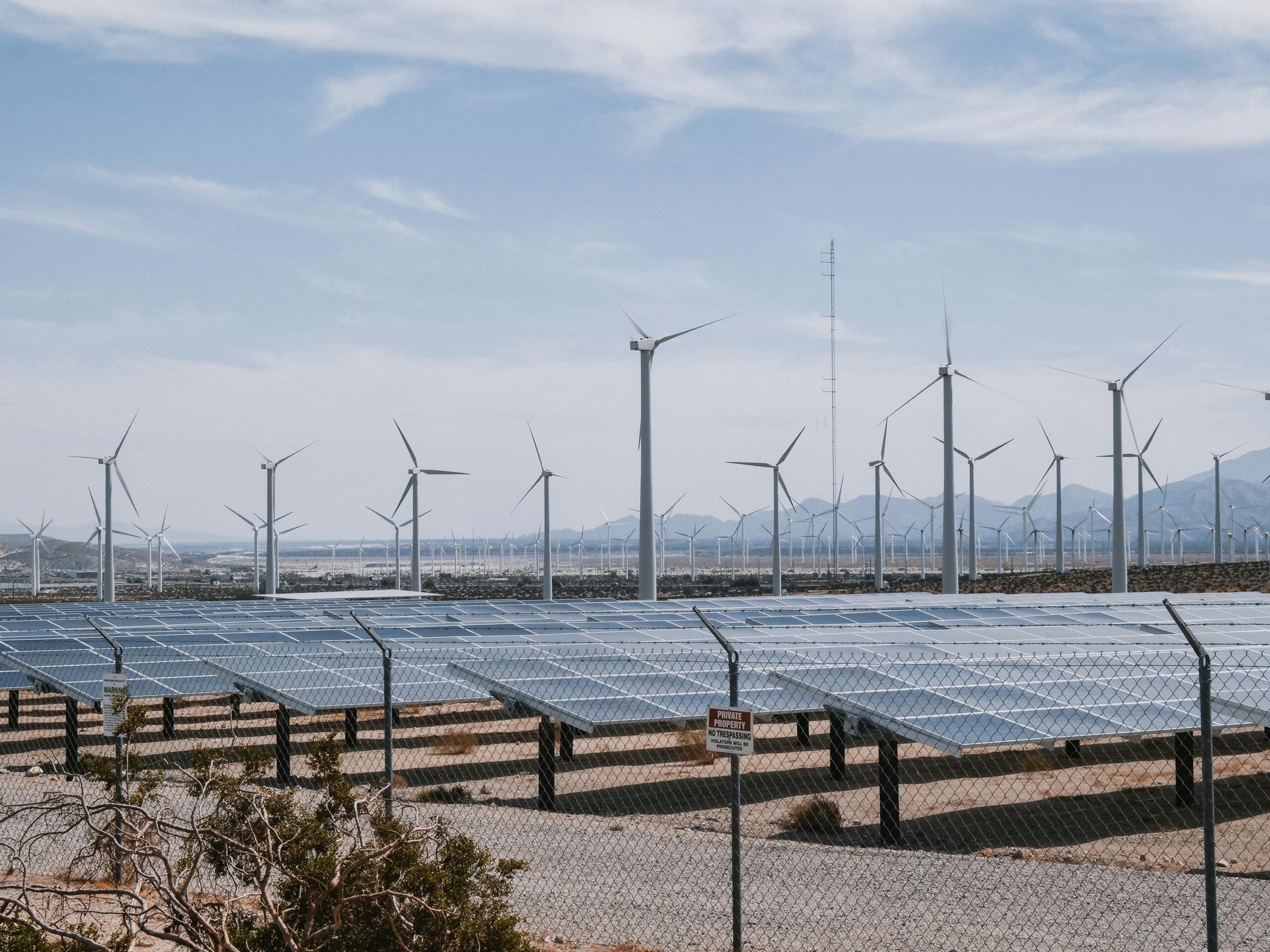
The convergence of clean technology and nature-based solutions represents humanity’s most promising pathway toward reversing climate change and building a truly sustainable future. As global temperatures rise and ecosystems face unprecedented stress, innovative approaches combining cutting-edge technology with natural processes offer transformative potential for our planet.

Throughout history, technological revolutions have reshaped civilization, but none carries the existential importance of the clean tech revolution we’re witnessing today. This isn’t merely about replacing fossil fuels with renewable energy—it’s about fundamentally reimagining our relationship with Earth’s natural systems while harnessing human ingenuity to restore balance to our climate and ecosystems.
🌍 The Urgent Call for Integrated Climate Solutions
Climate scientists have established beyond doubt that atmospheric carbon dioxide concentrations have reached levels unseen in human history, surpassing 420 parts per million. This alarming milestone demands immediate action through both technological innovation and nature-based climate solutions that work in harmony rather than isolation.
Traditional approaches to environmental protection often created false dichotomies between technological progress and ecological preservation. The modern clean tech movement, however, recognizes that these forces can amplify each other. Solar panels can coexist with native prairie restoration, offshore wind farms can double as artificial reef habitats, and smart agriculture technology can enhance soil carbon sequestration while increasing crop yields.
The integration of clean technology with nature-based solutions addresses climate change from multiple angles simultaneously. Technology provides the scalability and precision monitoring capabilities necessary for large-scale impact, while nature-based approaches offer resilience, biodiversity benefits, and proven carbon sequestration methods refined over millions of years of evolution.
Clean Energy Technologies Transforming the Power Landscape
The renewable energy revolution has accelerated beyond even optimistic projections from just a decade ago. Solar photovoltaic costs have plummeted by over 90% since 2010, making solar the cheapest electricity source in history across most global markets. Wind power capacity continues expanding rapidly, with offshore installations reaching unprecedented scales and efficiency levels.
Advanced battery storage systems have solved the intermittency challenge that once plagued renewable energy adoption. Lithium-ion batteries, flow batteries, and emerging solid-state technologies now enable grid-scale energy storage, ensuring reliable power supply even when the sun isn’t shining or wind isn’t blowing. These storage capabilities transform renewable energy from an intermittent supplement into a dependable baseload power source.
Next-Generation Nuclear and Fusion Energy
Small modular reactors represent a renaissance in nuclear energy, offering safer designs, reduced construction costs, and flexible deployment options. These advanced fission reactors can provide carbon-free baseload power while complementing variable renewable sources. Meanwhile, fusion energy research has achieved breakthrough milestones, with multiple projects demonstrating net energy gain for the first time in history.
The potential of fusion energy cannot be overstated—it promises virtually limitless clean power using abundant fuel sources with minimal radioactive waste. While commercial fusion remains years away, accelerating progress suggests it could become reality within this generation, providing the ultimate clean energy solution for humanity’s long-term energy needs.
🌱 Nature-Based Solutions: Ancient Wisdom Meets Modern Science
While technology captures headlines, nature-based climate solutions offer immediately deployable, cost-effective strategies for carbon sequestration and ecosystem restoration. Forests, wetlands, grasslands, and oceans represent Earth’s original carbon capture and storage systems, refined through evolutionary processes to achieve remarkable efficiency.
Reforestation and afforestation initiatives worldwide demonstrate measurable climate benefits alongside biodiversity restoration. Trees sequester atmospheric carbon through photosynthesis, storing it in biomass and soil while providing habitat for countless species. Strategic forest restoration in degraded landscapes can sequester billions of tons of carbon dioxide while improving water quality, preventing soil erosion, and supporting rural livelihoods.
Wetlands and Blue Carbon Ecosystems
Coastal ecosystems including mangroves, salt marshes, and seagrass meadows sequester carbon at rates far exceeding terrestrial forests per unit area. These “blue carbon” ecosystems store carbon in waterlogged soils where decomposition proceeds slowly, keeping carbon locked away for centuries. Protecting and restoring these vital habitats delivers multiple benefits: carbon sequestration, storm surge protection, fishery support, and biodiversity conservation.
Peatlands, though less celebrated than forests, store more carbon than all other vegetation types combined. Protecting intact peatlands and rewetting drained peatlands prevents massive carbon releases while restoring unique ecosystems that support specialized species adapted to these waterlogged environments.
Regenerative Agriculture: Farming as Climate Solution ♻️
Industrial agriculture currently contributes significantly to greenhouse gas emissions through fossil fuel use, synthetic fertilizers, and soil degradation. Regenerative agriculture flips this equation, transforming farming from climate problem to climate solution through practices that build soil health and sequester atmospheric carbon.
Key regenerative practices include cover cropping, crop rotation, reduced tillage, integrated livestock management, and agroforestry. These techniques increase soil organic matter, enhance water retention, reduce chemical inputs, and improve farm resilience to climate extremes. As soil organic matter increases, carbon moves from atmosphere to soil, effectively turning farmland into carbon sinks.
- Cover crops prevent soil erosion while adding organic matter and fixing atmospheric nitrogen
- No-till or reduced-till methods preserve soil structure and microbial communities
- Rotational grazing mimics natural herbivore patterns, building soil while supporting livestock
- Agroforestry integrates trees with crops or pasture, sequestering carbon while diversifying farm income
- Composting and organic amendments return nutrients to soil while building carbon stores
Precision agriculture technology enhances regenerative practices through data-driven decision making. Soil sensors, drone imagery, satellite monitoring, and artificial intelligence optimize input use, reduce waste, and precisely track carbon sequestration progress. This technological integration makes regenerative agriculture more accessible and economically viable for mainstream farmers.
🔬 Breakthrough Carbon Capture Technologies
Direct air capture (DAC) technology removes carbon dioxide directly from atmospheric air, offering potential to reverse historical emissions and achieve negative emissions at scale. While energy-intensive and currently expensive, DAC costs continue declining as technology improves and deployment scales up. Companies worldwide are building DAC facilities, with captured carbon either permanently stored underground or utilized in products ranging from building materials to synthetic fuels.
Enhanced mineralization accelerates natural weathering processes that slowly convert carbon dioxide into stable carbonate minerals. By crushing reactive rocks and distributing them across landscapes or coastal waters, this approach permanently locks away carbon while potentially improving soil fertility or reducing ocean acidification. The abundant availability of suitable rocks makes enhanced mineralization highly scalable as a climate solution.
Biochar and Carbon-Negative Materials
Biochar production converts agricultural and forestry waste into stable carbon through pyrolysis—heating organic matter without oxygen. The resulting charcoal-like material can be added to soil, improving fertility and water retention while permanently sequestering carbon. Biochar production also generates renewable energy and reduces waste burning, delivering multiple environmental benefits from a single process.
Innovative carbon-negative building materials replace emissions-intensive concrete and steel with alternatives that store more carbon than their production releases. Engineered timber products, hempcrete, and carbon-negative concrete formulations demonstrate that construction industry can transition from major emissions source to net carbon sink.
Smart Cities and Sustainable Urban Planning 🏙️
Cities house over half of humanity and generate the majority of global greenhouse gas emissions, making urban sustainability crucial for climate success. Smart city technologies optimize energy use, transportation, water management, and waste handling through integrated sensor networks and data analytics. These systems reduce resource consumption while improving quality of life for urban residents.
Green infrastructure transforms cities from ecological dead zones into functional ecosystems. Urban forests, green roofs, bioswales, and permeable pavements manage stormwater, reduce urban heat island effects, sequester carbon, and provide habitat within dense urban environments. Strategic urban greening makes cities more livable while delivering measurable climate and biodiversity benefits.
Transportation represents a major source of urban emissions, but electric vehicles, expanded public transit, bicycle infrastructure, and pedestrian-friendly design are rapidly transforming urban mobility. Shared autonomous electric vehicles may further revolutionize urban transportation, dramatically reducing private car ownership while improving mobility access and reducing congestion.
🌊 Ocean-Based Climate Solutions
Oceans cover 71% of Earth’s surface and play fundamental roles in climate regulation through heat absorption and carbon sequestration. Ocean-based climate solutions harness marine ecosystems and processes to enhance carbon removal while restoring depleted ocean health.
Marine permaculture cultivates kelp forests for food, biofuel, and animal feed while sequestering carbon in fast-growing algae. Kelp grows remarkably quickly, absorbing dissolved carbon dioxide from seawater and potentially sinking some sequestered carbon to deep ocean sediments. Large-scale kelp cultivation could remove significant carbon while producing valuable sustainable products.
Restoring Marine Ecosystems
Coral reefs, despite covering less than 1% of ocean floor, support approximately 25% of marine species while protecting coastlines from storm damage. Innovative coral restoration techniques including coral gardening, assisted evolution for heat tolerance, and 3D-printed reef structures aim to reverse decades of reef degradation caused by warming waters, ocean acidification, and pollution.
Oyster reef restoration improves water quality through the remarkable filtering capacity of oyster populations while creating habitat and sequestering carbon in shells. A single oyster filters up to 50 gallons of water daily, making restored oyster reefs powerful tools for improving coastal water quality degraded by agricultural runoff and urban pollution.
Financing the Clean Tech Revolution 💰
Transitioning to a sustainable, carbon-free economy requires massive investment, estimated in the tens of trillions of dollars globally over coming decades. Fortunately, clean technology investment delivers strong financial returns alongside environmental benefits, attracting capital from institutional investors, venture capital, and public funding sources.
Green bonds finance environmental projects while offering investors stable returns. The green bond market has grown exponentially, surpassing hundreds of billions in annual issuance. These instruments fund renewable energy projects, sustainable transportation infrastructure, green buildings, and nature conservation initiatives.
Carbon pricing mechanisms create economic incentives for emissions reduction by making pollution costly and clean alternatives more competitive. Carbon taxes and cap-and-trade systems redirect market forces toward sustainability, generating revenue that can fund further clean technology development and climate adaptation measures.
🤝 The Role of Individual Action and Community Engagement
While systemic change requires policy and corporate action, individual choices collectively shape demand patterns and cultural norms around sustainability. Personal decisions regarding energy use, transportation, diet, consumption, and waste create ripple effects through supply chains and influence broader societal direction.
Community-level initiatives demonstrate how collective local action achieves meaningful environmental impact. Community solar projects, local food systems, neighborhood composting programs, and grassroots conservation efforts build resilience while strengthening social connections. These initiatives prove that sustainability and community wellbeing reinforce each other.
Education and awareness-building remain essential for accelerating the sustainability transition. As more people understand climate science, clean technology options, and nature-based solutions, they make informed choices and demand ambitious action from leaders. Youth climate movements worldwide demonstrate growing societal commitment to addressing climate change decisively.
Overcoming Barriers and Accelerating Implementation ⚡
Despite remarkable progress, significant barriers still slow the transition to a sustainable future. Incumbent fossil fuel interests resist change, policy uncertainty discourages investment, infrastructure lock-in perpetuates outdated systems, and uneven global development creates challenges for universal clean technology adoption.
Addressing these barriers requires coordinated action across sectors and scales. Governments must establish clear policy frameworks, ambitious emissions targets, and support mechanisms that accelerate clean technology deployment while ensuring just transitions for affected workers and communities. International cooperation remains essential for addressing a global problem that transcends national boundaries.
Technology transfer and capacity building help developing nations leapfrog fossil fuel-based development paths, adopting clean technologies without repeating the carbon-intensive industrialization that characterized wealthy nation development. Climate finance from developed to developing nations supports this transition while addressing historical responsibility for cumulative emissions.

🌈 Envisioning the Sustainable Future Within Reach
The convergence of clean technology and nature-based solutions makes a sustainable, carbon-free future not merely possible but increasingly inevitable. Renewable energy costs continue falling, electric vehicles rapidly gain market share, regenerative agriculture expands across landscapes, and nature restoration initiatives multiply globally. Momentum builds as solutions prove their effectiveness and economic viability.
This sustainable future offers benefits extending far beyond climate stabilization. Cleaner air improves public health, reducing respiratory disease and premature mortality. Restored ecosystems support biodiversity recovery, preserving Earth’s magnificent variety of life. Regenerative agriculture produces more nutritious food while supporting rural livelihoods. Green spaces enhance mental health and community wellbeing. The sustainability transition improves quality of life across multiple dimensions simultaneously.
The path forward requires continued innovation, scaled implementation, enabling policies, adequate financing, and societal commitment to transformational change. Each technological breakthrough, each hectare of restored ecosystem, each renewable energy installation, and each person choosing sustainability brings this future closer to reality. The revolution reshaping our relationship with the planet accelerates daily, driven by necessity, enabled by innovation, and inspired by the vision of a thriving Earth supporting all life for generations to come.
Revolutionizing our planet through clean technology and nature-based innovations represents humanity’s greatest challenge and opportunity. The tools, knowledge, and resources exist to build a sustainable, carbon-free future—what remains is marshaling collective will to deploy these solutions at the speed and scale the climate crisis demands. The revolution has begun, and its ultimate success depends on choices made today shaping the world inherited tomorrow.